Sardinia, a land with a deep-rooted pastoral heritage, stands out on the international stage for its production of traditional cheeses - authentic ambassadors of a region rich in history and biodiversity. As consumer interest in genuine products with strong identity and traditional craftsmanship continues to grow, Sardinian cheeses present a valuable opportunity for distributors, retailers, and restaurateurs aiming to offer premium-quality selections.
A strategic business asset for the entire supply chain
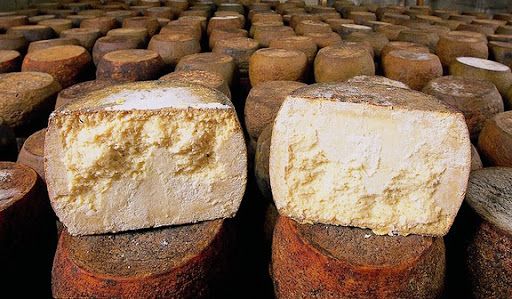 The rising global demand for authentic, place-based food products creates a real growth opportunity for companies involved in production, distribution, retail, and food service - including importers and international buyers.
Sardinian cheeses, known for their rich tradition, distinctive taste, and strong market recognition, can help distributors enhance their brand positioning. These cheeses respond to the growing demand for authenticity and quality, while also providing a competitive edge that strengthens customer loyalty and attracts new business.
For both domestic and international buyers, choosing Sardinian cheeses means tapping into the storytelling power of their territorial identity, turning it into a tool to boost product appeal.
Typical Sardinian cheeses
Here is a curated list of traditional Sardinian cheeses - from the most famous to lesser-known varieties with high commercial potential. These products bring tradition and flavor to the table and serve as effective tools to stand out in a competitive market. This guide is designed for buyers, distributors, and food service professionals looking to expand their assortment with cheeses that offer both sensory excellence and cultural value.
Fiore Sardo PDO
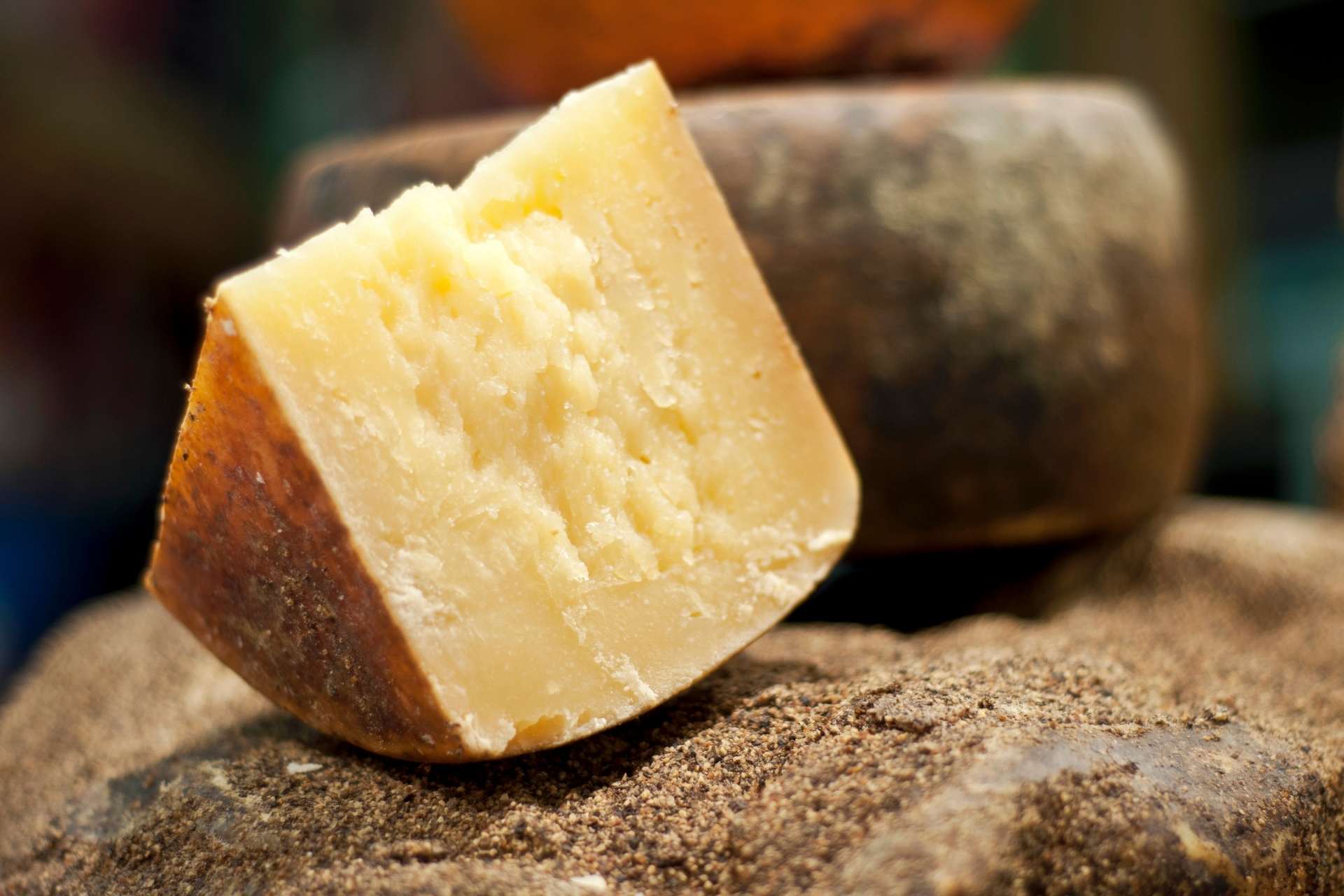
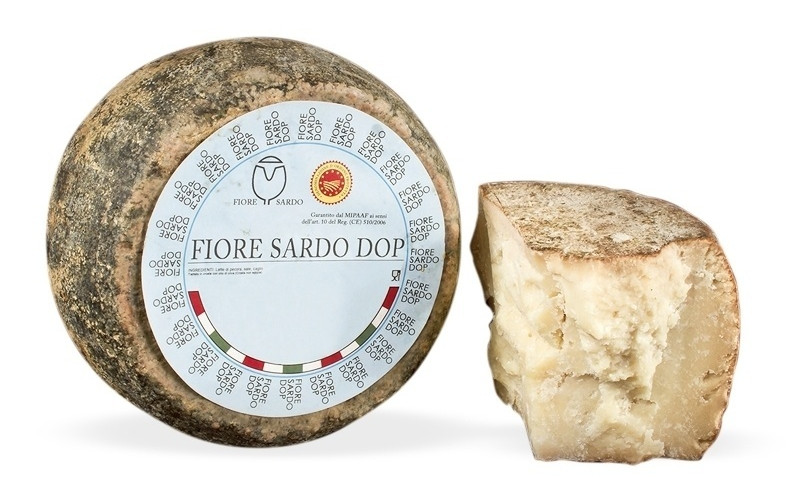 Fiore Sardo is a PDO-certified pecorino cheese made from raw milk of Sardinian sheep raised in the wild. This results in a bold, aromatic flavor with vegetal undertones and sweet milky notes. Traditional production methods - often in artisanal dairies using wood from Mediterranean scrub - give the cheese a light natural smokiness and a crumbly yet compact texture, features especially valued by international consumers looking for authentic, place-based products.
The PDO designation ensures strict production standards and traceability, facilitating access to international markets. This makes Fiore Sardo an ideal premium product for distributors. For restaurateurs, it's a versatile, high-quality cheese - excellent served fresh as a starter or grated over traditional pasta. It pairs well with structured red wines like Cannonau and with local honey, making it a great fit for themed gourmet menus that highlight Sardinia's millennia-old culinary heritage.
Pecorino Sardo PDO
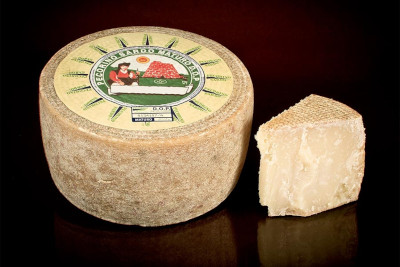 Pecorino Sardo PDO is a versatile cheese available in two styles: "Dolce" (aged 20-60 days) and "Maturo" (aged over two months), offering flavor profiles that range from delicate to bold and spicy. It's made from whole milk from native sheep, local lactic cultures, and natural rennet, following a strict PDO specification that ensures quality and authenticity. Sardinian dairies use wet or dry salting, followed by aging in controlled environments that preserve flavor and texture.
This cheese supports flexible marketing strategies: the Dolce version is ideal for sliced retail packaging in supermarkets, while the Maturo suits high-end restaurants and gourmet stores, especially when grated over pasta, soups, or risottos. Market studies show that Pecorino Sardo holds a strong position in organized retail, where targeted promotions boost consumer engagement.
For chefs and restaurateurs, it's a standout ingredient with strong narrative appeal. Year-round availability ensures supply consistency, and its versatility - either as a table cheese or recipe component - adds value to creative menus. International markets, especially in North America and Europe, are showing growing interest in PDO sheep cheeses, particularly those supported by authentic storytelling and sustainability - areas where Pecorino Sardo excels.
Axridda - "Su casu cun s'axridda"
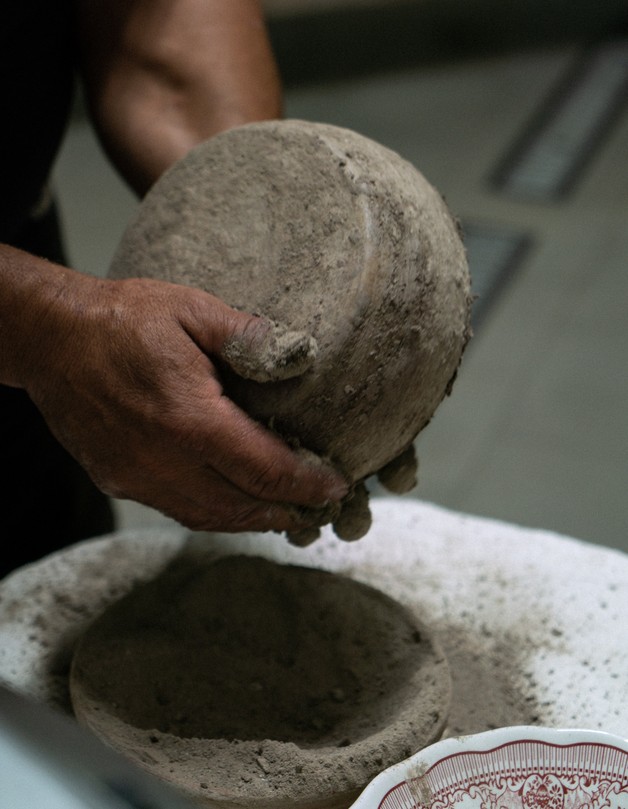 Axridda is a rare cheese made only between January and May in Escalaplano (Gerrei, Cagliari), using raw sheep or goat milk - sometimes blended. Dating back to Roman times, as noted by Pliny the Elder, the cheese is coated entirely in local clay mixed with lentisk or olive oil to protect it during the hot summer. This produces a hazel-gray rind and a semi-hard, crumbly, aromatic paste that becomes spicy when aged over six months.
This clay coating is more than a traditional touch - it's a natural preservation method that slows ripening, maintains moisture, and prevents mold or pests, allowing aging of over two years. For distributors, Axridda is a standout product: listed as a Traditional Agri-food Product (PAT), it fits perfectly in premium assortments supported by a compelling regional story. Its small-scale production adds exclusivity.
In the restaurant world, Axridda delivers a truly authentic tasting experience - perfect as a specialty cheese or for refined pairings. It pairs beautifully with full-bodied wines and evokes aromatic notes of Mediterranean flora like myrtle, lentisk, and wild herbs. Featuring Axridda in a menu or cheese selection means offering not just a product, but an immersive cultural and sensory journey through the most genuine side of Sardinia.
Bonassai
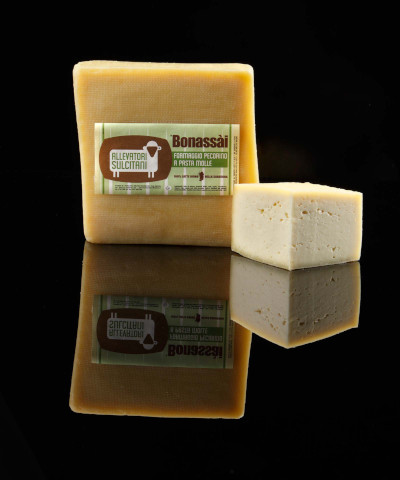 Bonassai was created in 1966 thanks to a collaboration between the Zootechnical and Dairy Institute for Sardinia and local producers. Since the 1970s, its production has spread across the island. It is a soft cheese made from raw or pasteurized milk of Sardinian breed sheep. It has a soft and compact texture, a fresh and slightly tangy aroma, and a delicate flavor that makes it especially appreciated in food service as a table cheese. It has a parallelepiped shape, weighs between 1 and 2.5 kg, and is aged for about 20-30 days. To improve appearance, the rind is finished with potato starch, and the cheese can be frozen, extending its shelf life up to six months.
This cheese represents a concrete opportunity for distributors and restaurateurs seeking a modern, adaptable artisanal product. Its standardized production and well-established specifications allow for accurate planning, facilitating its inclusion in retail channels or specialty food shops. In the HoReCa sector, Bonassai works well as a cheese board item with honey and jams, or as a very soft ingredient in gratin dishes, melted sandwiches, or gourmet panini. Its delicate profile pairs well with light, aromatic white wines, offering refined and innovative pairing ideas.
Casizolu (Tittighedda, Figu)
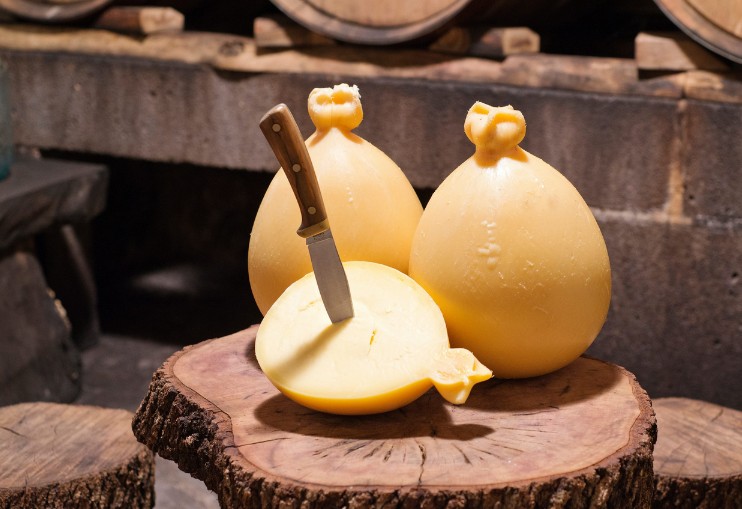 Among the most intriguing Sardinian cheeses, Casizolu - also known as Tittighedda or Figu - stands out for its surprising versatility. It is made from raw milk of native cows (Sardo-Modicana or Bruno-Sarda breeds) raised on pasture. It has a pear shape with a "head" and an elastic texture typical of stretched-curd cheeses. Produced according to local artisanal standards, it offers a flavor profile that evolves with aging: initially sweet and mild, it becomes progressively bolder, herbaceous, and slightly spicy.
Commercially, Casizolu has strong potential for distribution and food service businesses. Its artisanal production, carried out by a few dozen dairies in the Montiferru area and surroundings, makes it an elite product - ideal for gourmet niche formats or shops specializing in regional excellence. Its distinctive shape, meltability, and aging evolution are valuable for storytelling and menu appeal, highlighting its ties to Sardinian biodiversity.
In the kitchen, Casizolu offers many uses: sliced on crostini, added to gourmet sandwiches, or melted for hot dishes. It pairs well with aromatic white wines or structured reds, as well as various jams and local honey. Its inclusion on menus offers a multisensory experience with authentic flavors and strong visual impact thanks to its signature pear shape. The cheese's unique features also support promotional campaigns and partnerships with retailers and chefs focused on regional cuisine and cultural heritage.
Sheep's Milk Casizolu (Pirittas)
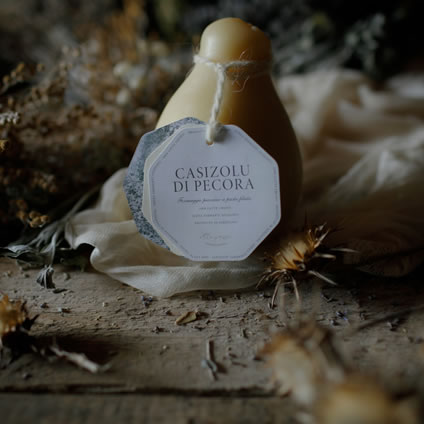 Sheep's Milk Casizolu, or "Pirittas", is a traditional sheep cheese from the central hills of Sardinia, made exclusively in areas like Goceano and Marghine with raw milk from Sardinian breed sheep raised in the wild. Its stretched-curd paste has a semi-soft texture, pale white or straw-yellow color, and a thin smooth rind. The flavor is delicate, with characteristic notes of sheep’s milk that become more pronounced after just seven days of aging. Classified as a Traditional Agri-food Product (PAT), it comes from a short supply chain, often family-run, that values local artisanal production.
For distributors, Sheep's Milk Casizolu is a niche and valuable product. Its characteristics make it well-suited to retail, gourmet shops, and delis looking for fresh items with a strong regional identity. The use of traditional techniques - without additives or industrial cultures - is a powerful communication tool that enhances perceived authenticity for end consumers.
In restaurants, this cheese is ideal for a variety of uses: served at the table, or melted in traditional dishes like sabadas, Sardinian focaccias, rustic pizzas, and more. Its delicate flavor pairs well with fruity white wines or young, low-alcohol reds, enhancing the dining experience. Including Sheep's Milk Casizolu on the menu means offering a sensory and cultural journey tied to Sardinia, appealing to consumers looking for distinctive, sustainable, and high-quality products.
Casu Axedu
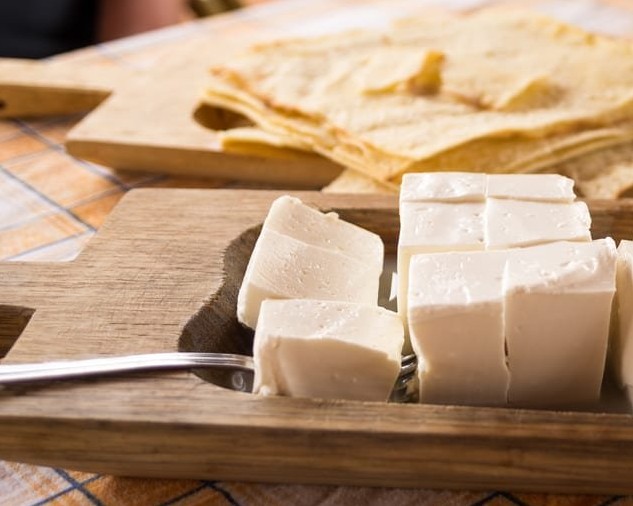 Casu Axedu, also known as Frughe or Frua, is one of the most emblematic dairy products in Sardinian tradition. It is produced year-round in central Sardinia using raw, thermized, or pasteurized sheep and/or goat milk. Slow coagulation and brine preservation turn this cheese from a fresh, tangy, and light product into a salty specialty, sometimes spicy, with strong whey aromas and the distinctive scent of sheep or goat milk. It has a crustless parallelepiped shape, weighs between 150 and 300 g, and is ideal for immediate consumption or as an ingredient in soups, fillings (like ravioli or culurgiones), and both traditional and innovative recipes.
For distributors, Casu Axedu offers an excellent opportunity to diversify the fresh cheese segment. Its many local variations - known as Frua, Viscidu, or Casàdu - enhance its storytelling value and connection to its place of origin. Its compact size and brine-based preservation make logistics flexible, allowing storage at +2/+4 °C for around 14-20 days, and sale in both fresh (in whey) and aged versions.
For chefs, this cheese is highly versatile in savory dishes, offering authentic culinary experiences: fresh, it pairs well with pane carasau, olive oil, and vegetables; in its aged "Merca" version, it adds flavor to soups and fillings. In gourmet cuisine, its natural acidity shines when paired with aromatic herbs and crisp white wines, enriching menus with a product of strong identity.
Dolcesardo Arborea
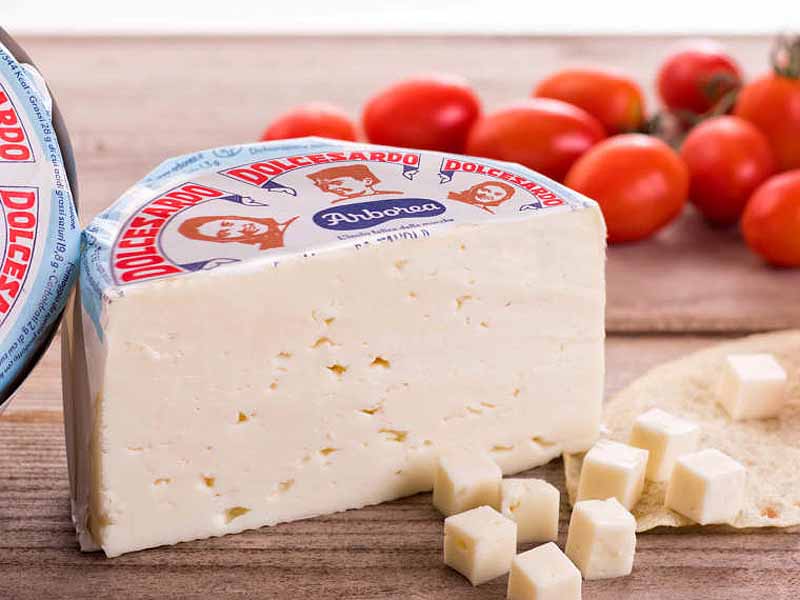 Dolcesardo Arborea, developed in the 1930s by the Arborea Cooperative, is now one of Sardinia's most iconic cheeses. It's a soft cheese made from pasteurized whole cow's milk from local farms and aged for around 15 days. Its creamy, crustless texture, sweet and mild flavor, and fresh aroma make it a versatile choice for direct consumption or use in cooking, particularly in traditional desserts like seadas. The PAT designation and strong ties to the historic cooperative add credibility and regional value, while the fully integrated and controlled supply chain - processing over 200 million liters of Sardinian milk annually in a high-tech facility - ensures consistent quality and availability.
For distributors, Dolcesardo Arborea is a compelling offer that combines flavor and established quality. Available in whole or portioned formats (250 g or 500 g), it is ideal for supermarkets, specialty shops, and online retailers. A lactose-free version further extends its appeal to sensitive or intolerant consumers.
In restaurants, Dolcesardo is suitable for many applications: spread on bread, paired with olives and cold cuts, or used in recipes. Its light flavor profile pairs well with low-alcohol white wines, making it a valuable ingredient for both regional and modern gourmet menus.
Fresa (Fresa de Attenzu)
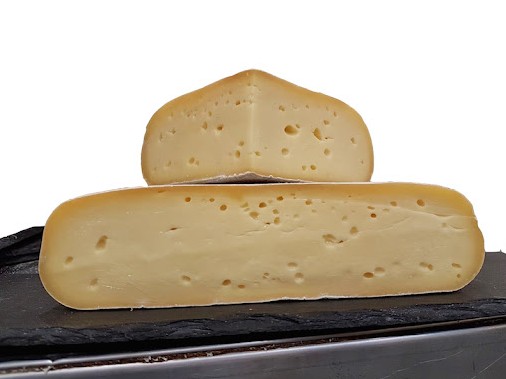 Fresa, or Fresa de Attenzu, is a soft fresh cheese traditionally produced in autumn using raw cow's milk - though in some artisanal versions, sheep's milk is also used. Recognized as a Traditional Agri-food Product (PAT) of Sardinia, it has strong regional roots, especially in the provinces of Nuoro, Oristano, and Medio Campidano, where its seasonal production is linked to the richer, more nutrient-dense milk collected at the end of the cows' lactation cycle.
Fresa is known for its slightly tangy, buttery flavor, its pale straw-yellow rind, and its moist, compact texture - reminiscent of stracchino. It typically comes in flattened cylindrical shapes weighing 1.5 to 3 kg and is aged for 13 to 20 days. Some producers now offer smaller formats to better suit modern market demands.
For distributors, Fresa stands out as a seasonal specialty that fits perfectly into themed promotions in supermarkets, delicatessens, and gourmet shops.
In the food service world, Fresa is incredibly versatile. It can be served fresh with pane carasau, included on cheese boards, or gently warmed on bread or in a pan to create a creamy, buttery topping. Paired with structured Sardinian whites such as Vermentino or Nuragus, it enhances autumnal tasting experiences. Positioning it on the menu as an "autumn delicacy", complete with a story about local dairy traditions and late-season milk, helps build engagement with guests who value regional heritage and authentic culinary culture.
Pecorino di Nule
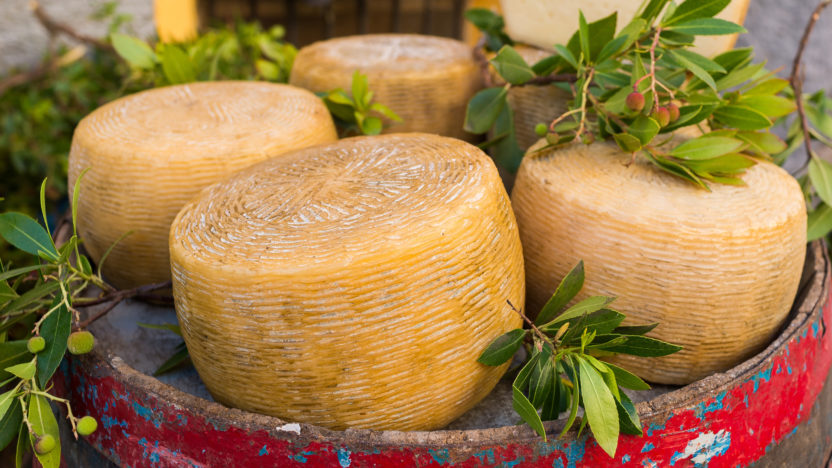 Pecorino di Nule is a semi-hard sheep's milk cheese made from raw milk of free-range Sardinian sheep raised in the Nule area and nearby towns in central Sardinia. The cylindrical wheels, weighing 2.5-3.5 kg, are marked by a thin, smooth straw-colored rind and a paste that ranges from white to light yellow. It offers delicate aromas of fresh milk, with a flavor that starts mild and balanced when young and develops into a savory, slightly spicy profile with aging.
Produced in small farm-based dairies, often aged in cellars built partially underground, the cheese follows simple but refined traditional techniques such as pressing and salting. These methods ensure an authentic character, further enhanced by PAT certification, which supports its regional value and provides strong storytelling potential in marketing.
For distributors and specialty retailers, Pecorino di Nule is a standout choice as a table cheese, ideal when paired with honey, fruit compotes, or bakery products. Its traditional format and shelf life of over two months make it suitable for gourmet channels while supporting a premium positioning justified by its handcrafted quality.
In restaurants, it offers great versatility: served as a table cheese after meals, paired with full-bodied reds like Cannonau, or incorporated into starters, salads, or pasta dishes. Featuring it on the menu as a cheese that reflects the region's pastoral landscape and artisanal values enhances the overall dining experience.
Pecorino di Osilo
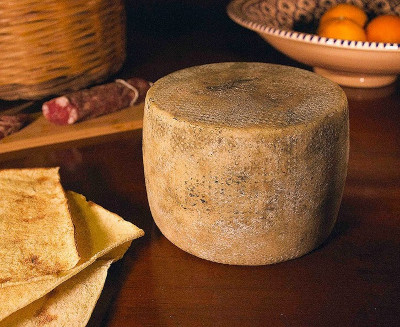 Pecorino di Osilo is a long-aged sheep's cheese made from raw milk of Sardinian sheep raised outdoors in the Osilo area of northern Sardinia. It is recognizable by its slightly smaller size, thin straw-colored rind, and hard yet melt-in-the-mouth texture. Its aromatic profile ranges from buttery notes to hints of toasted hazelnut, wild herbs, and dry wood. It is produced exclusively by local shepherds under a strict specification, using traditional techniques such as intense pressing, copper kettles, and wooden tools.
For distributors and restaurateurs seeking top-quality, authentic products, Pecorino di Osilo is a valuable find. Its limited production makes it perfect for gourmet catalogues and niche selections. A minimum of 3 to 6 months of aging is required to fully develop its flavor profile, while its shelf life is ideal for high-end retail and premium foodservice outlets.
Goat's Milk Semicotto
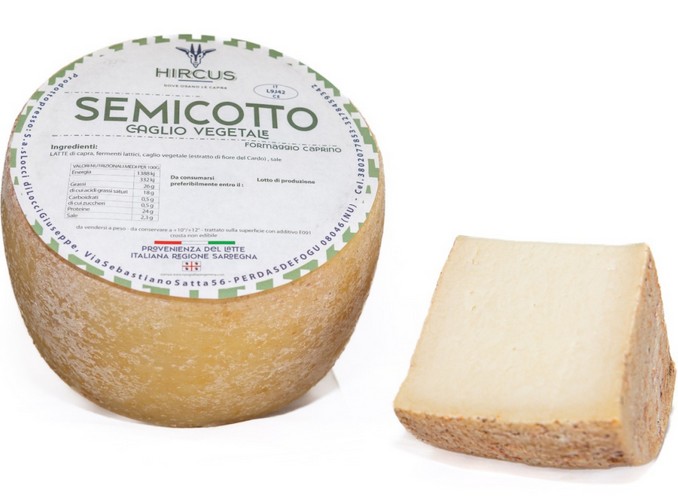 Goat's Milk Semicotto is a rustic, authentic Sardinian cheese made from the milk of free-range goats. Its flavor evolves from sweet and aromatic in young wheels (aged a minimum of 60 days) to more robust and slightly spicy in aged versions (up to 18 months). It is produced both by artisans in traditional cellars and in modern dairy facilities. After coagulation, the curd is semi-cooked, pressed, salted, and aged to develop body, aroma, and shelf stability. The cheese is typically cylindrical, weighs 2.5-3 kg, and has a smooth, straw-colored rind that ensures durability and easy handling.
For distributors, this cheese is an excellent addition to a goat cheese selection, offering both artisanal appeal and multiple aging options. The younger version suits the demand for mild, fresh dairy, while the aged version belongs to the gourmet category - ideal for grating or serving in small portions. With proper storage, its shelf life can reach 180 days. The availability of different formats, including vegetarian versions with thistle rennet, makes it suitable for both retail and foodservice.
In professional kitchens, Goat's Milk Semicotto is highly versatile: the fresh type complements salads and appetizers, while the aged one is ideal as a table cheese or grated over pasta with rich sauces. It pairs well with medium-bodied red wines like Carignano del Sulcis. Featuring this cheese on the menu - with its pastoral origins and locally sourced milk - allows chefs and distributors to offer an authentic, territory-driven experience.
Trizza
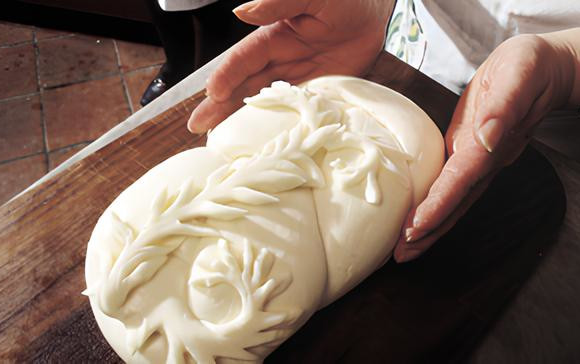 Trizza, or "braid", is a fresh stretched-curd cheese from Montiferru, Sardinia. Made from raw milk of free-range Sardo-Modicana cows, it stands out for its hand-braided shape, combining visual appeal with traditional craftsmanship. The cheese features a smooth, elastic exterior and a soft, slightly fibrous white paste. Its fresh, mildly tangy flavor pairs beautifully with aromatic local white wines. Served as an appetizer or alongside cured meats, it also melts well in creative baked dishes.
Marketing strategies and opportunities for companies
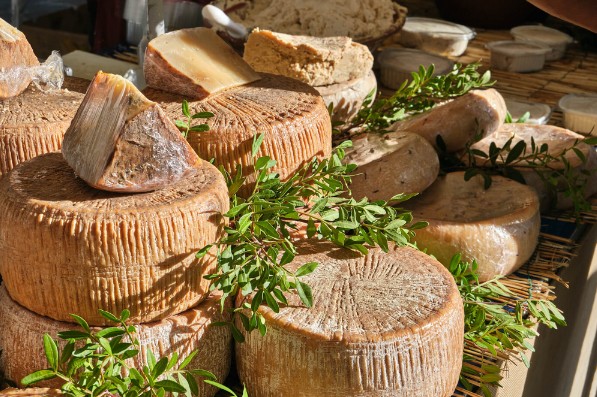 In today's market, where consumers value product origin and perceived quality, Sardinian cheeses offer companies a real opportunity to build a strong and distinctive brand identity.
These cheeses offer more than quality - they tell a story shaped by pastoral heritage, artisanal expertise, and a deep connection to the land.
With food marketing becoming increasingly digital and omnichannel, it's essential to communicate these values effectively through narrative labels, curated websites, engaging social media, high-quality visuals, and impactful in-store materials.
For an international distributor or importer, investing in Sardinian cheeses means choosing a product range that combines excellence with a clear differentiation strategy. These cheeses embody a unique narrative of biodiversity, ancient traditions, and territorial authenticity - qualities that resonate with global consumers focused on origin, ethics, and flavor. The broad variety - from fresh and creamy to bold and aged - makes it easy to meet diverse customer needs in both specialty retail and foodservice.
Storytelling is at the heart of modern marketing. It elevates not only the product, but also the producer and the cultural context. Themes such as free-range farming, manual processing, natural aging, and quality certifications are ideal foundations for engaging communication strategies targeting both B2B buyers and end consumers.