


Market Trends
-
From shelf to AI: how product discovery is changing in retail

In retail, product discovery now happens across different touchpoints. The store still matters, but today the customer also comes into contact with a product through online search, social media, digital promotions, automatic suggestions and, increasingly, artificial intelligence tools. For distributors and retail chains, this means that in addition to managing the shelf well, they also need to make the product visible, understandable and convincing along a much broader discovery journey.
-
Italian black truffle condiments and sauces: market data and opportunities for distributors, importers and producers

Sauces and condiments made with Italian black truffle are gaining a more significant role in the international gourmet market. According to a recent Growth Market Reports analysis, the global market reached USD 1.14 billion in 2024 and could rise to USD 2.15 billion by 2033, with a compound annual growth rate of 7.3%. Beyond the numbers, however, the most meaningful signal for the supply chain is this: a product once associated almost exclusively with fine dining is now finding broader space in premium retail, e-commerce, food service, and high value-added industrial applications.
-
Protein economy: high-protein moves into mainstream categories as saturation risk grows

In 2026, protein continues to stand out as an increasingly visible commercial driver in retail, because it responds to needs that now go well beyond sports performance alone: satiety, convenience, perceived wellness, hunger management and on-the-go consumption. The signal is clear in everyday shopping too, where many mainstream categories are now being offered in high-protein versions. At the same time, the market is moving quickly, and this segment also requires a more differentiated offer in order to stand out in an increasingly crowded landscape.
-
Italian gelato is booming worldwide: finished products, ingredients and equipment

For companies distributing Italian products abroad, gelato remains a category worth watching closely. In the first eight months of 2025, Italian gelato exports reached 372.2 million euros, up from 313.2 million euros in the same period of 2024 (+18.8%). In some areas, growth has been particularly sharp, with +72% in Asia and +93.2% in the Middle East. Alongside finished products, Italy also exports ingredients, semi-finished products and equipment, supported by established know-how, reputation and the trust of international operators.
-
Neapolitan Pastiera and Colomba Cake: the most sought-after Easter desserts turn into opportunities for distributors

Sweets such as the Easter Dove Cake (Colomba di Pasqua) and Neapolitan Pastiera have firmly established themselves as iconic Italian products in international markets, driven by increasing demand. For distributors and importers, these desserts represent significant business opportunities, blending tradition, craftsmanship, and modern innovation. Italian Easter products are gaining popularity in both the retail and food service sectors, with offerings that range from traditional to innovative, tailored to the preferences of diverse markets, distribution channels, and consumer needs.
-
Plant-based vs meat? The trends food producers, distributors and foodservice professionals need to watch

After years of rapid growth in vegetarian and vegan offerings, several foodservice operators are cutting back on underperforming items and placing meat dishes back at the center of the menu, especially because of their high protein content. Plant-based offerings are still growing, but increasingly on the basis of more informed and conscious consumer choices.
-
Mixology and ready-to-drink: how premium ingredients and wellness trends are also influencing retail

In 2026, the world of beverages and cocktails is being shaped by new consumption habits and is becoming a useful lens through which to observe the wider food industry. Among the most interesting emerging signals are fermentation, fine-dining ingredients applied to mixology, the use of infusions, the evolution of ready-to-drink formats, the "functional" trend, and a more authentic reinterpretation of venues as places for experience, food and social interaction.
-
Record year for Finocchiona PGI: all-time high production and growing demand in Italy and abroad
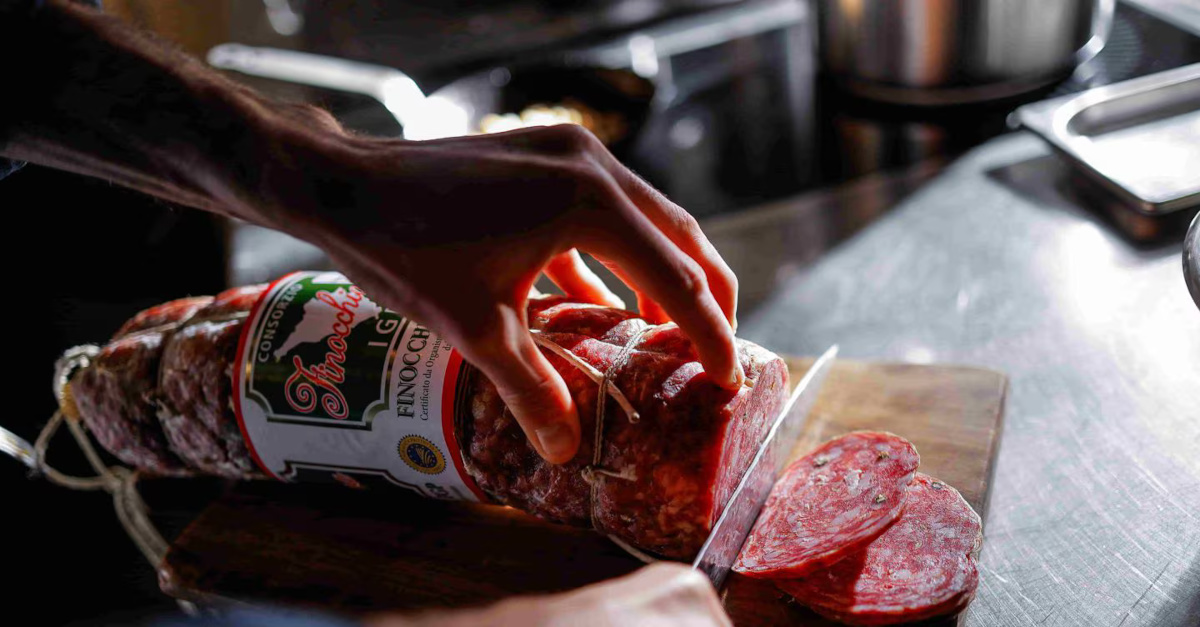
Finocchiona PGI, one of Tuscany's signature cured meats, surpassed one million stuffed pieces for the first time in 2025. This production milestone signals a product that is steadily consolidating its position in the market, supported by an offer increasingly focused on practical formats and by commercial activity that is paying closer attention to international markets.
-
Growth spaces in food and beverage: the categories with the greatest potential in 2026

Wellness is no longer a niche topic in the food & beverage market: according to Circana, consumers with a consistent approach to health and diet quality account for about 40% of total sales in the sector. In economic terms, we are talking about $708 billion across retail and foodservice in the U.S.: $402 billion in retail (+2% vs the previous year) and $306 billion in foodservice (+8%), for an overall growth of about +5%.
-
TikTok and food trends: why they go viral and how the food supply chain can respond

In recent years, TikTok and other social platforms have become major accelerators of food trends: a piece of content can start in one country, be replicated in dozens of languages, and translate into real demand within days. For brands and distributors, social-driven trends are worth close attention: they can shape sales, sourcing, product development, and even risk management.
-
Italian packaged ice cream responds to international buyer expectations with sustainability and new formulations

In the packaged ice cream sector, sustainability is a market driver that runs through the entire supply chain: from raw material choices and production technologies to packaging decisions. This shift directly affects operators in international markets, as consumer and retailer expectations worldwide are increasingly aligning around a few key criteria: transparency, lower environmental impact, recyclable materials, and attention to supply-chain practices.
-
When time beats price: the rise of time-saving convenience in grocery

In fast-moving consumer goods, one factor is becoming increasingly decisive: time. A recent NielsenIQ study portrays a consumer who is often "time-crunched", assessing convenience not only by price, but also by the minutes saved across planning, preparation, and meal management. In this context, the convenience of food products is no longer an add-on - it becomes a core part of perceived value, provided it is not seen as an unjustified luxury.
-
Next-generation ingredients: fermentation and formulation to deliver taste, function and reliable stability

Fermentation-driven innovation and formulation science are reshaping how ingredients and products are developed - combining clean label priorities with performance and new quality benchmarks. For food companies, the competitive advantage shows up as fresh sensory, functional and nutritional options, alongside greater stability and reliability across the whole value chain: production, packaging, logistics, retail and foodservice use.
-
QR codes and the GS1 Digital Link standard: inform, persuade and sell. Benefits for producers, distributors and retailers

The new labels and packaging adopting the GS1 Digital Link standard connect each product to a digital address via a QR Code, using the same identifier that makes it recognizable across the supply chain (such as the GTIN behind the barcode). The benefit is not only technical: it is primarily about marketing and sales. One single access point can deliver different content depending on who scans (consumer, buyer, distributor, logistics), while keeping everything consistent and well organized. GS1 brings communication, product data and commercial tools together, turning the label into a stable channel to inform, persuade and sell.
-
Italian sparkling wines exceed one billion bottles: international markets and future prospects

In 2025, Italian sparkling wines return above a symbolic and important threshold: more than 1.03 billion bottles produced and sold. The figure matters not only for the commercial scale achieved, but also because it captures a segment that, even in a year described as "complex", remains stable in export markets and continues to strengthen its place in consumption habits worldwide.
-
Food waste hits $540 billion: the "invisible" cost weighing on margins, inventory and logistics
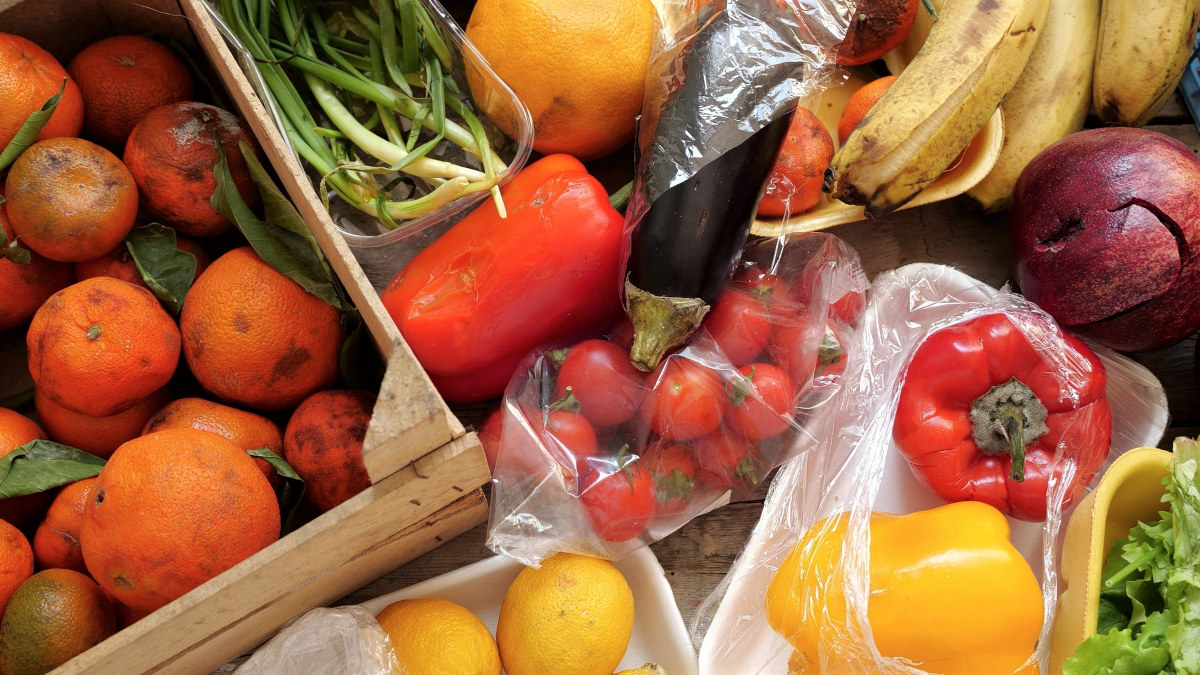
In discussions about food waste, the focus is often on environmental impact and social responsibility. For companies across the supply chain (production, distribution, retail, logistics and foodservice), there is another core issue: waste is an operating cost that reduces margin, creates stock inefficiencies and increases management complexity.
-
Italian food & beverage exports heading toward 70 billion euros in 2025: growth in Europe and high potential new markets

Export figures confirm Italy's position among the leading global players in the food & beverage sector. The data presented at the Agrifood Monitor Forum, organized by Nomisma in collaboration with CRIF, highlight a robust industry that has shown some of the most dynamic growth trends worldwide in recent years, while also expanding its focus on new markets.
-
New requirements in food packaging: what consumers and buyers expect
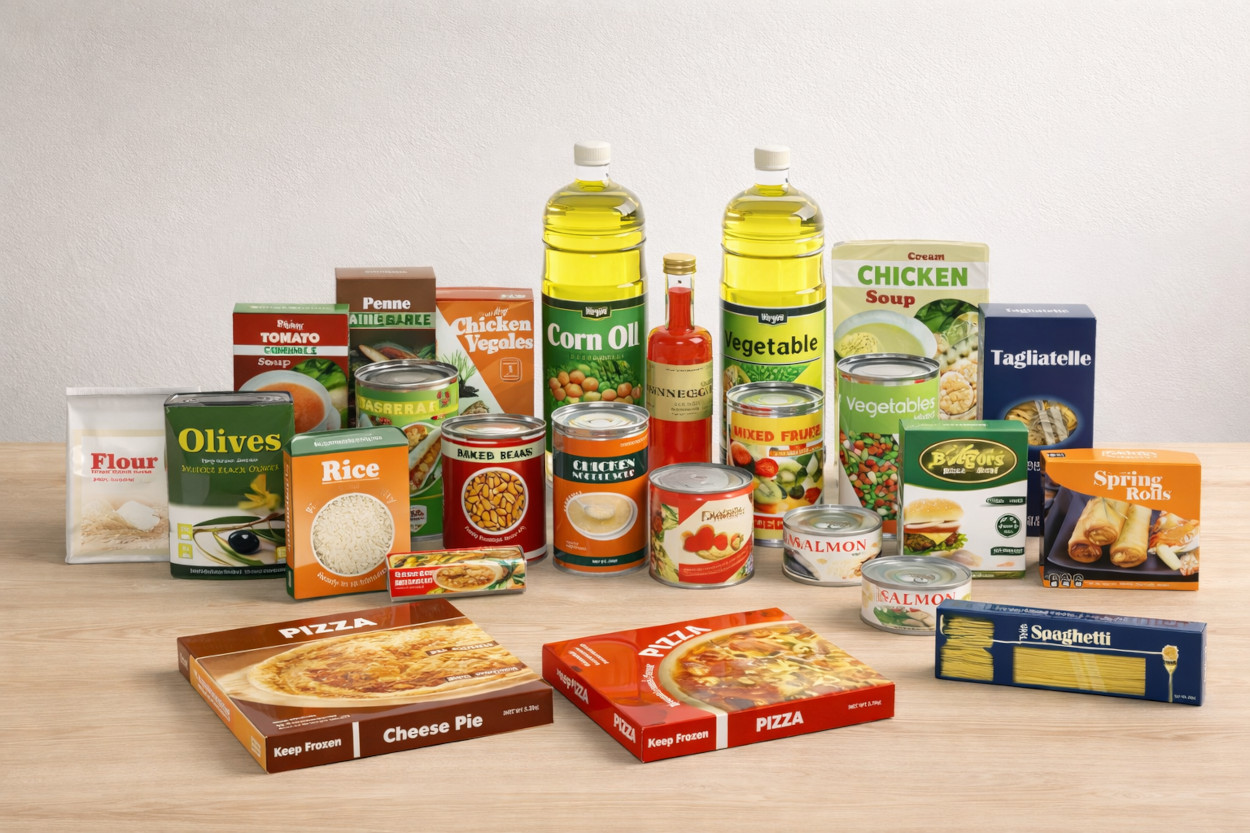
In the packaging sector, companies are facing increasingly complex challenges: from rapidly evolving regulations in the United States and Europe, to new R&D investments aimed at developing innovative, safe and sustainable materials. Added to this is the growing attention toward potentially harmful substances in food packaging, a topic of rising importance for consumers, buyers and distributors. Finally, the expansion of e-commerce continues to highlight the need for solutions specifically designed for direct-to-consumer shipping.
-
Italian cheese worldwide: market data, emerging trends and high-growth formats for importers and distributors
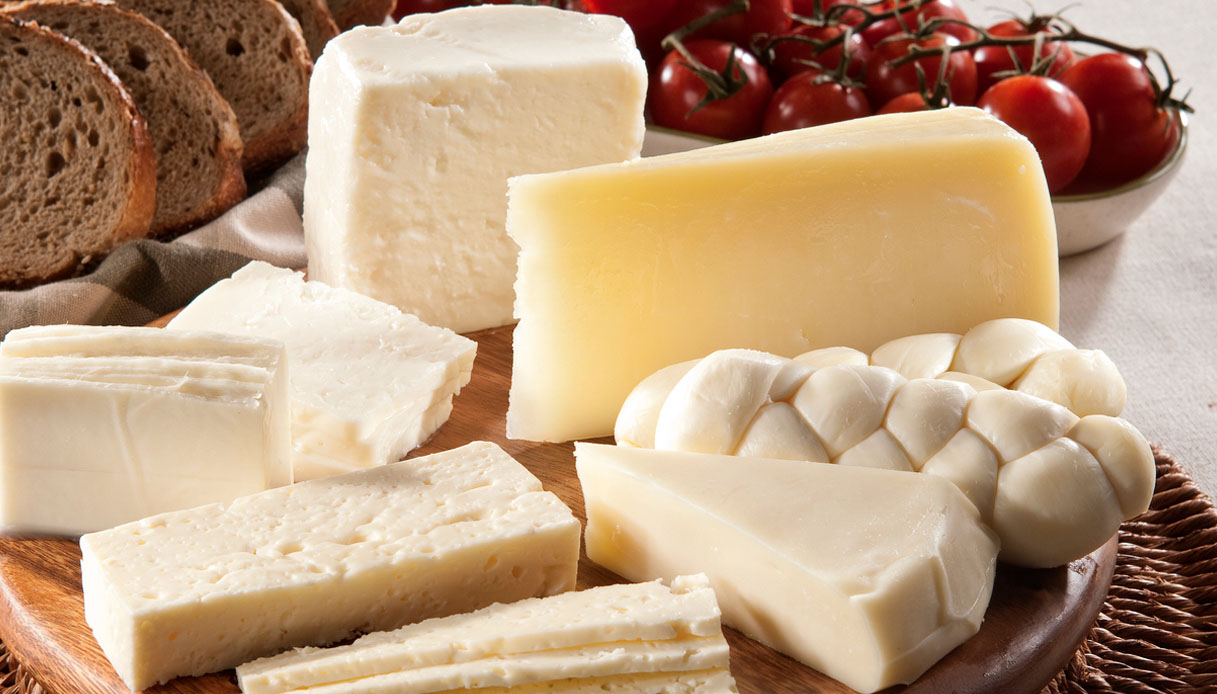
The global cheese market continues to expand and has become a well-established part of everyday diets across many regions worldwide. The latest analyses show that both fresh and aged cheeses are increasingly perceived as high-value comfort foods, although with very different dynamics between mature and emerging markets. Below is an overview of the key insights emerging from sector data for importers, distributors and retailers, with a focus on the formats, formulations and characteristics driving the fastest-growing areas.
-
Artificial Intelligence in Food Manufacturing: New Technologies and a Rapidly Expanding Market

In recent years, artificial intelligence has moved from a frontier innovation to a practical lever for improving efficiency, safety and sustainability across food processing plants. According to an analysis by Towards Food & Beverages, the global AI market in food manufacturing is projected to grow from USD 9.51 billion in 2025 to USD 90.84 billion by 2034, with an annual growth rate (CAGR) of 28.5%. Below is an overview of the key application areas, the most innovative solutions and the development prospects for food companies and technology providers.