In 2026, the world of beverages and cocktails is being shaped by new consumption habits and is becoming a useful lens through which to observe the wider food industry. Among the most interesting emerging signals are fermentation, fine-dining ingredients applied to mixology, the use of infusions, the evolution of ready-to-drink formats, the "functional" trend, and a more authentic reinterpretation of venues as places for experience, food and social interaction.
Mixology and retail are moving closer together
For producers and distributors, this is an important point: what starts in cocktail bars - especially in venues that excel in ingredients, storytelling and service - is increasingly influencing retail as well.
Several market studies identify well-executed innovation, the growing role of ready-to-drink products (RTD), and Gen Z's changing relationship with alcohol - increasingly selective, intentional and value-driven - as key growth factors for alcoholic beverages in 2026. In other words, the line between out-of-home and at-home consumption continues to narrow.
This trend, particularly relevant to foodservice and specialized suppliers, is affecting multiple sales channels. An ingredient that works well in mixology - if it delivers a consistent result, has a distinctive profile and is easy to dose - can become a strong product opportunity for cocktail bars, hotels, contemporary restaurants, beverage chains and, at a later stage, also for premium RTDs, ready-made bases and retail shelf ranges.
This dynamic is also evident in recent launches by both major brands and artisanal labels, with ongoing diversification across RTD cocktails, non-alcoholic beers, naturally based energy drinks and functional beverages.
The return of "chef-driven" ingredients
 One of the most interesting signals is the growing presence in drinks of ingredients and techniques borrowed from the culinary world. Internationally, examples include distinctive ingredients such as miso syrup and fermented citrus condiments like yuzu kosho - elements that bring aromatic depth, savoriness, acidity and a distinctly culinary character to the drink.
For the food and beverage industry, this is an important development because it creates new opportunities for premium ingredients designed not only for the kitchen, but also for mixology and hybrid beverages positioned somewhere between cocktails, elevated soft drinks and contemporary aperitifs.
For specialized suppliers, this means growing interest in bases, extracts, syrups, fermented ingredients, infusions and products with a strong identity - ingredients capable of delivering a distinctive aromatic signature without making the work of bartenders and other professionals unnecessarily complex.
In foodservice, these ingredients also help create a more distinctive offering, aligned with menus built around more carefully curated food and beverage pairings. This kind of evolution is relevant not only for cocktail bars, but also for hotels with lounge bars, premium dining venues and locations looking to enhance aperitif and after-dinner occasions with a less standardized offer.
Matcha and hojicha: tea enters a more mature phase
Another strong theme is tea, especially matcha and hojicha. What is new, however, is not just their presence in drinks, but the way they are being interpreted: no longer merely "instagrammable" ingredients, but components with a genuine flavor function. For example, hojicha is gaining increasing attention thanks to its toasted, smooth and versatile profile, while matcha continues to stand out for its herbal notes, tannic structure and ability to retain its character when combined with other ingredients.
For food companies, this suggests that tea can play an increasingly central role in the development of new beverage products, both in out-of-home settings and packaged formats. Within HoReCa, matcha and hojicha can appear on menus not only as lattes or teas, but also as ingredients for cocktails, mocktails, dessert drinks and pairings with pastries and brunch. In retail - including ready-to-drink products - these varieties offer a language that combines premium appeal, Eastern inspiration, naturalness and, in some cases, a more conscious approach to consumption.
The "better-for-you" concept is changing shape

The "better-for-you" segment - foods and beverages associated with positive psycho-physical well-being - is evolving toward more clearly defined concepts: moderation, functionality, more controlled energy, ingredients perceived as natural, and well-being that remains compatible with pleasure. This direction includes both the growing role of proteins and probiotics in drinks and the broader rise of no-alcohol beverages and so-called alcohol-adjacent categories.
More specifically, alcohol-adjacent beverages are alternatives to traditional alcoholic drinks, designed for adults and for occasions similar to aperitifs and cocktails. They often include botanicals, sparkling teas, kombucha, functional ingredients, nootropics or adaptogens, but without the effects associated with alcohol.
IWSR data help show the scale of this shift: global volumes of non-alcoholic alternatives grew by 9% in 2025, and the category is expected to expand by 36% between 2024 and 2029. At the same time, alcohol-adjacent beverages recorded 11% growth in 2025. This does not mean the traditional cocktail is disappearing. Rather, it shows that the market is becoming more segmented, creating room for products and formats suited to different occasions - from moderated evening consumption to everyday drinking.
In practical terms, this creates interesting opportunities for producers and distributors in products that combine taste, functionality and convenience: premium RTDs, mocktails, lighter aperitifs, tea-based beverages, wellness-positioned products and ingredients that can work successfully both behind the bar and on supermarket and retail shelves.
This is also a valuable theme for the foodservice sector, because it expands the potential to build more versatile beverage menus suited to consumers who drink alcohol, those who are cutting back and those who still want a well-crafted experience.
The evolution of ready-to-drink
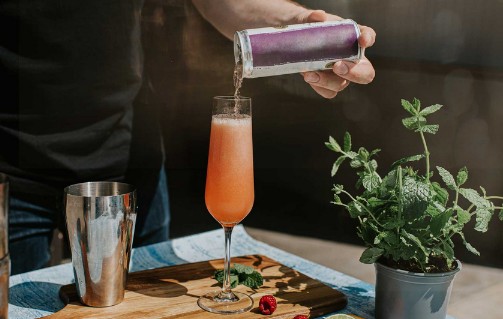 The ready-to-drink segment is probably where these trends become most concrete from an industrial perspective. Recent launches clearly show the direction of the category, with premium RTD cocktails, sophisticated ingredients, fruit-forward line extensions and functional beverages.
Brands are building broader portfolios designed for different consumption moments and for audiences that are becoming increasingly diverse.
For food & beverage companies, this means mixology should not be viewed only as a passing trend, but as a true product research and development laboratory. A flavor, ingredient or taste signature that emerges in out-of-home settings can become the starting point for a ready-to-drink product, a premium retail line, an on-the-go format or a solution developed for catering and travel retail.
Beyond product selection, context also matters
For hospitality operators and foodservice distributors, the point is that today the drink alone is no longer enough. The product range needs to work in harmony with the menu, atmosphere, service and storytelling.
This favors more versatile ingredients that can work across multiple contexts - from cocktails to cuisine, from specialty coffee service to desserts - and adds value to suppliers that can offer not only products, but also usage suggestions, training and a coherent portfolio.
A signal worth noticing
Looking at these trends as a whole, new opportunities are opening up across different sales channels for producers, distributors and specialized suppliers. The market is increasingly rewarding beverages and ingredients that combine identity, perceived quality and ease of use with the ability to fit into different consumption occasions. This is not just about cocktail bars, but also hotels, restaurants and retail chains.
For food businesses, this can translate into several opportunities: distinctive aromatic ingredients, premium mixing bases, teas and infusions used as ingredients, light or alcohol-free beverages, ready-to-drink formats and solutions developed for bars and restaurants.
Rather than chasing every micro-trend, the real challenge is identifying which ideas emerging from bars and cafes have the potential to become successful products - scalable and suited to both retail outlets and foodservice channels.
The importance of communication and training
Alongside product development, the way these products are presented to the market also matters. When introducing ingredients or beverages that may still be unfamiliar to part of the target audience, communication and training become essential. Explaining origin, aromatic profile, possible uses and consumption occasions helps distributors, buyers and out-of-home operators make the most of the offering.
For suppliers, this means supporting the product with practical tools, such as informational materials, usage suggestions, pairing ideas and training activities for bars, restaurants and sales teams.