In recent years, TikTok and other social platforms have become major accelerators of food trends: a piece of content can start in one country, be replicated in dozens of languages, and translate into real demand within days. For brands and distributors, social-driven trends are worth close attention: they can shape sales, sourcing, product development, and even risk management.
Why a food trend goes viral
The key is the platform's recommendation engine: TikTok's "For You" feed does not just show content from accounts you follow, it recommends videos based on signals such as user interactions (likes, comments, saves), content data (caption, hashtags, audio), and a wide range of user information that is converted into indicators of interest and likelihood of engagement (in practice: how likely a video is to be watched to the end, rewatched, shared, or commented on by people with similar behaviors).
When a format works, the algorithm can quickly scale distribution beyond geographic and language boundaries.
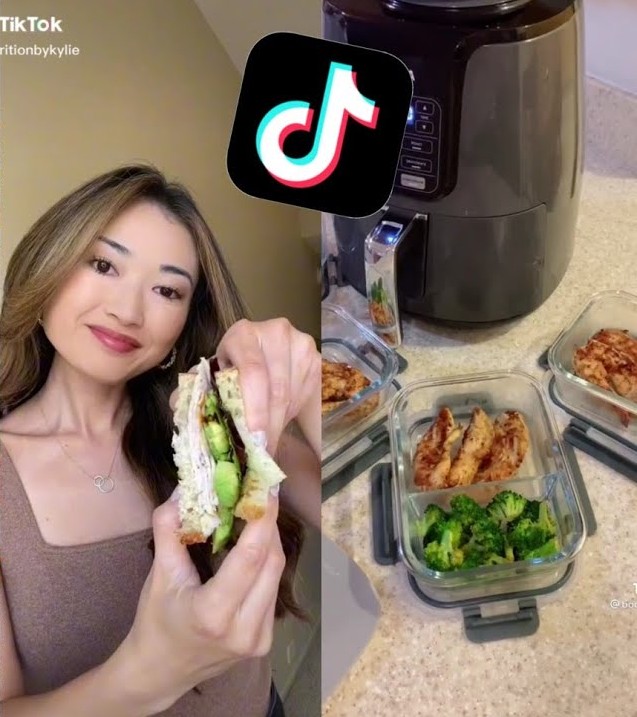 Food trends have another advantage: they are easy to replicate. Even simple content can include repeatable elements, such as a short recipe or a video with a strong visual payoff (for example, showing the inside and the filling). That makes trend-related content multiply quickly, along with the number of people consuming it.
A video can work because it shows a before-and-after (e.g. the same product before and after cooking, decorating, or adding a topping), or because it captures a direct taste test: trying a product as-is, right after opening it or trying it straight after purchase, with an immediate reaction.
Repeatability fuels virality: the more people recreate the same content (or engage with a certain type of content), the more the platform recognizes it as a "format" and promotes it.
For further insights into social media dynamics, and in particular influencer marketing in the food sector, see also: "Influencer Marketing and Social Media in Food & Beverage: Winning Strategies for the Industry".
When a viral video drives demand
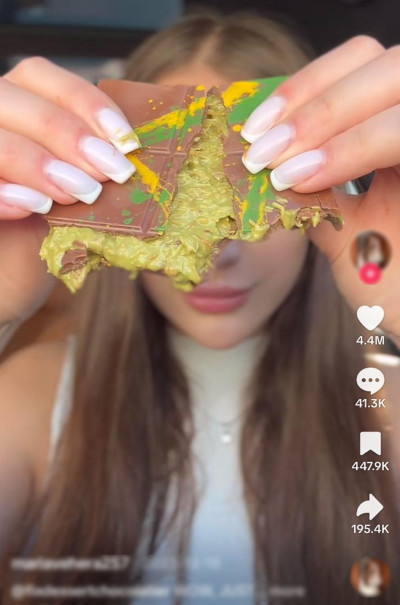 One of the most widely cited examples is "Dubai chocolate", which went viral on TikTok and was linked to a demand spike significant enough to contribute to tensions in the pistachio market (higher prices and tighter availability). The trend also encouraged imitations and scams linked to fake e-commerce sites. It is a useful case study because it shows how a trend can have very tangible effects on sourcing, pricing, and reputation.
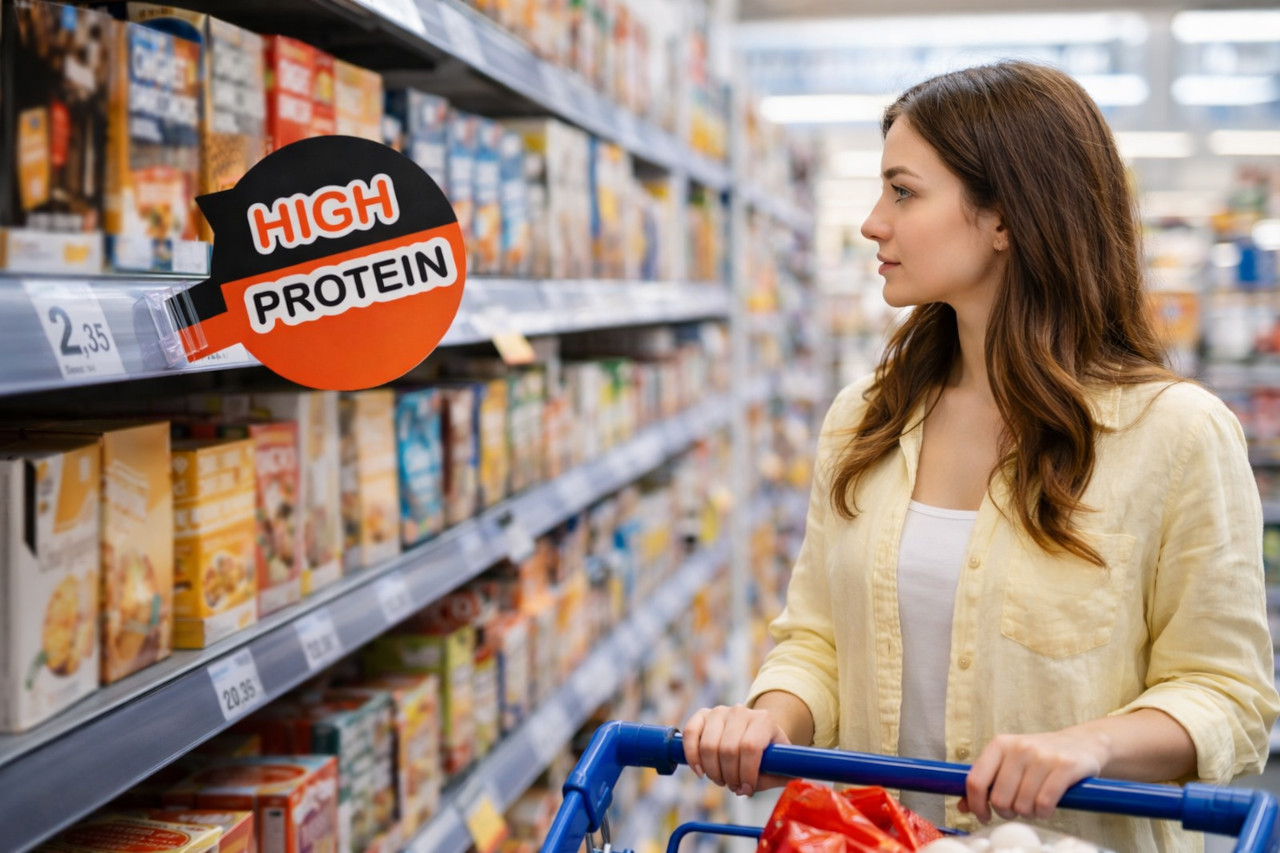
Other recent trends noted by industry publications include the return of cottage cheese, boosted by "high protein" content, with category growth and premium repositioning in some markets, and freeze-dried candies, which are emerging as an innovation space for confectionery brands and new entrants.
These examples show that TikTok does not just create short-lived fads - it can act as a market accelerator. In a matter of weeks, a viral video can shift volumes, change consumer expectations, and put pressure on supply chains and channels. That makes it essential for companies to monitor signals in real time and assess opportunities quickly.
How to make a trend relevant (also for different markets)
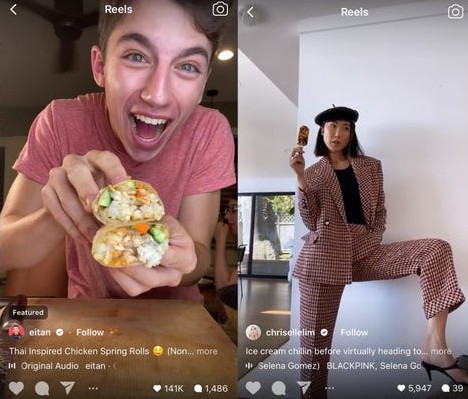 For food companies and distributors, the goal is not to chase every fad, but to understand if and how a trend can be adapted to their market.
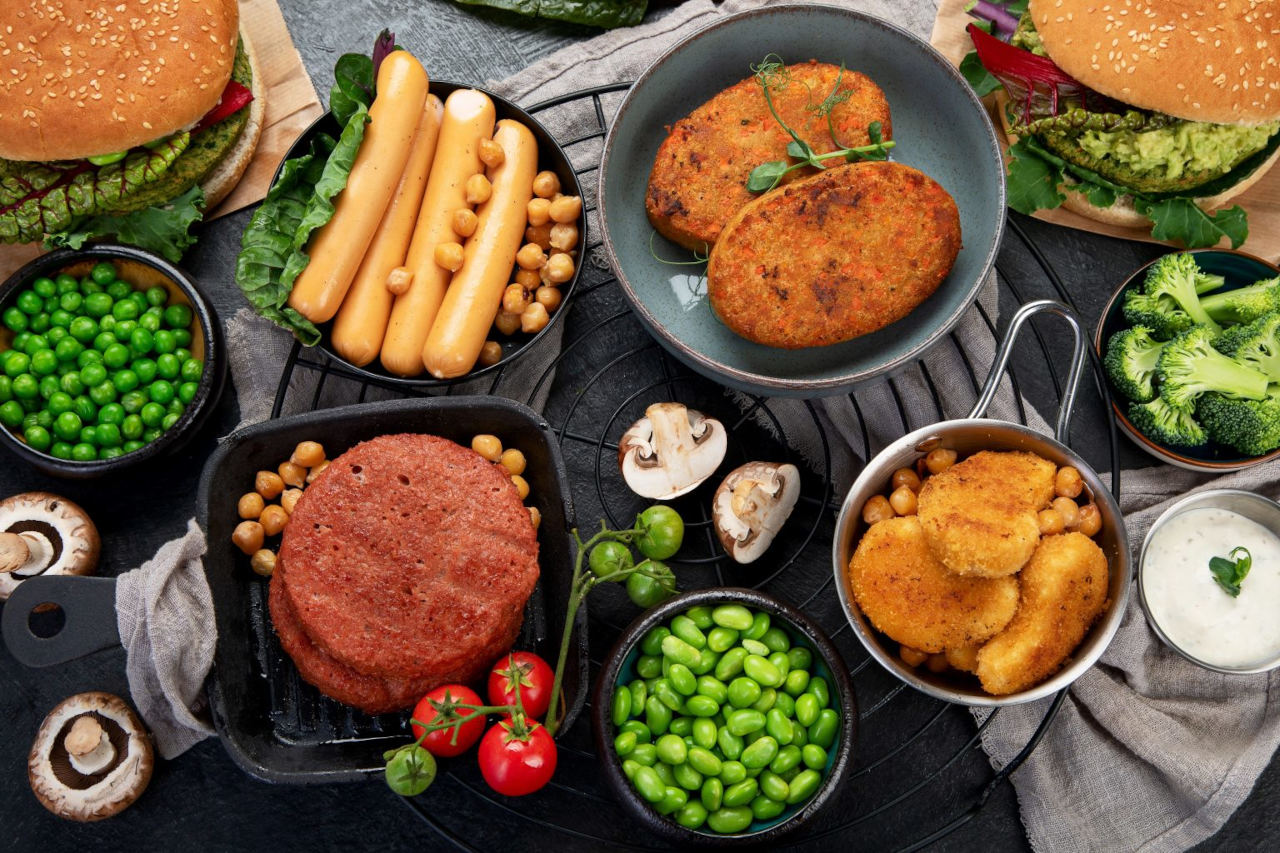
Some trends are built around formats, for example: "3-ingredient recipe", "protein snacks", "meal prep". In these cases, you can reuse the same format to promote your product, adapting it to your target audience and geographic market. The narrative still needs to be coherent, and the format should fit the product naturally.
In social media marketing, formats provide a narrative framework: they reduce creative uncertainty and make content recognizable. However, it is not always easy to pinpoint what truly defines a certain format and makes it spread, because success is rarely driven by a single detail. More often, it is the combination of video structure (hook, pacing and editing style), recognizable visual cues, the content's purpose and above all the "story model" the format follows. It might be a quick demonstration ("watch what happens when..."), a test with a verdict (trial and final judgement), or a replicable tutorial in a few steps. In all cases, the narrative is designed to reach a clear, shareable outcome, so viewers immediately understand why it is worth watching to the end.
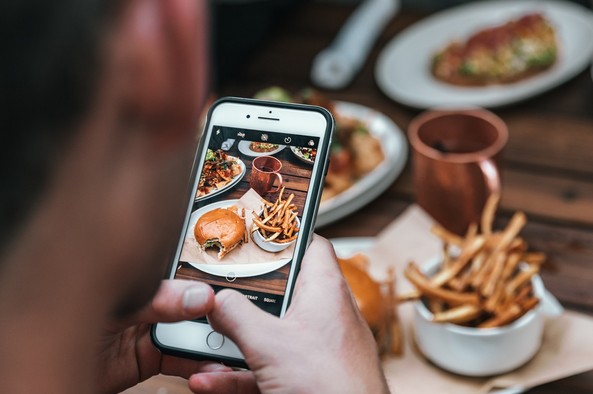 If the trend is tied to a specific product (for example, an iconic dessert), food companies can use it to expand their reach, especially among younger audiences. It is therefore worth assessing several factors before jumping on a fast-moving food trend: producers can review supply-chain readiness, ingredient availability, and operational processes to launch their own version, while distribution, foodservice and retail can run controlled, progressive tests (limited editions, pilot launches in selected areas, "week promotion"), defining volumes, pricing, and quality standards in advance.
At the same time, a trend can take off in one market and remain niche elsewhere. To replicate a trend that is already established in a different market from where it originated, you may need to adjust formulations and formats to the local context: taste preferences (sweetness, spiciness), single-serve or multi-pack formats, consumption occasions (breakfast, snack, dessert), and potential cultural sensitivities.
What the supply chain can do when a trend starts to move
As a concise summary, a few factors can help determine if and when to respond to a food trend:
-
Structured listening: monitor not only TikTok and other social platforms (such as Instagram, YouTube and Facebook), but also Google searches, marketplaces, and retail data. The goal is to understand whether virality is translating into real demand.
-
Controlled experimentation: in-store tests, limited editions, temporary co-branding. In practice, it can be useful to test a product that matches a current trend in "real conditions" before scaling distribution and marketing.
Between opportunities and reputational risks
Social-born trends can be powerful accelerators, but they also bring risks: imitations, inflated expectations, and simplified or misleading nutrition claims. The "Dubai chocolate" case is also emblematic when it comes to food fraud and copycat products.
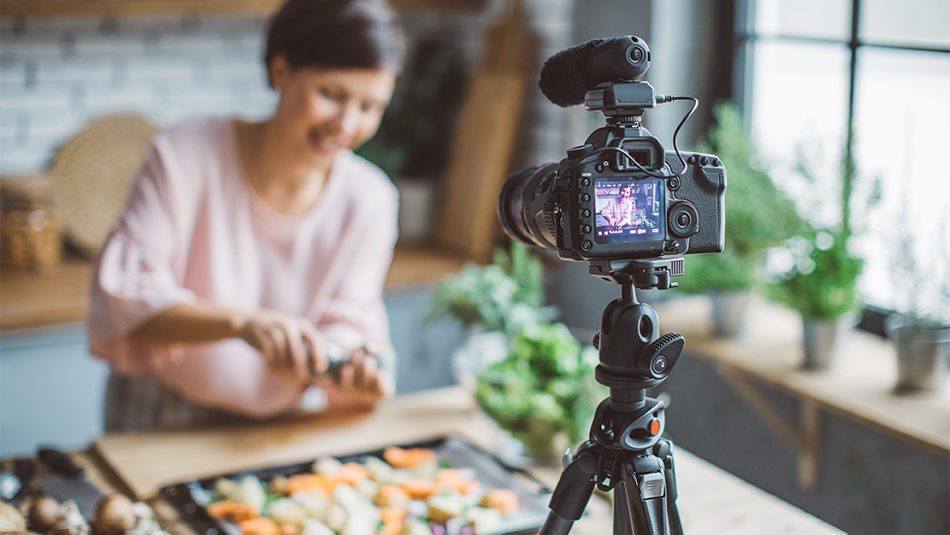 When a brand invests in social media and aims for viral reach through different content creators (profiles that produce and publish original videos and content, often with a loyal community and sometimes in collaboration with brands), it is not simply advertising. It activates a network of different voices and formats that can amplify the same message quickly and credibly.
That makes it important to define clear guidelines (permitted claims, benefits you can communicate, tone of voice, hashtags, and any transparency requirements such as collaboration disclosures), to maintain consistency and reduce the risk of misunderstandings or messages that do not translate well across markets.
It is also worth noting that a "wrong" social campaign rarely sends early warning signals. Often, the mistake only becomes clear once the content has already been picked up, commented on, and saved by thousands of people. By then, correcting or removing it does little, because the narrative keeps circulating (and being reinterpreted) outside the brand's control.
For this reason, before scaling social content, it helps to set a few non-negotiables: truthfulness, claims and tone consistent with the product, and active monitoring in the first hours after publishing to catch doubts or criticism immediately.