The Christmas season amplifies three dynamics that, when combined, make the "gluten-free" segment especially profitable: more consumption occasions, greater attention to inclusivity at the table, and a higher willingness to try premium products. For companies producing or distributing Italian specialties, this translates into multiple opportunities - such as expanded assortments, B2B and B2C marketing initiatives, and new commercial partnerships.
The first part of this analysis explores market opportunities supported by data and research that explain the drivers behind growth. The second focuses on specific products that present business potential for distributors, retailers, and foodservice operators.
Why the holidays matter for gluten-free
Several factors make the Christmas period a unique opportunity for gluten-free products - particularly Italian specialties, whether in their traditional or more innovative versions:
- Rising demand for gluten-free products
- Higher consumer spending during the holidays
- Inclusivity: buying to accommodate guests, friends, and family with celiac disease or intolerances
- Greater willingness to purchase premium products
- Strong global demand for Italian specialties during the Christmas period
Let's look more closely at these factors to understand the synergy between them and how food companies can leverage them in their marketing and communication strategies.
1) Rising demand for gluten-free products
 The global gluten-free market reached $7.7 billion in 2024 and is projected to climb to $13.7 billion by 2030, according to data from Grand View Horizon. With an expected annual growth rate of 10%, gluten-free remains one of the fastest-growing categories in the food industry.
This is now a consolidated trend driven by two complementary forces: on one side, clinical needs linked to celiac disease and food intolerances; on the other, a growing segment of consumers choosing gluten-free options for reasons of well-being, lightness, and perceived quality.
2) Higher spending during the holidays
 At retail level, the festive season represents a true spending peak. In the United States, for instance, total holiday spending in 2025 is expected to exceed $1 trillion (November through December, according to the National Retail Federation), confirming that pre-Christmas and year-end shopping remain key drivers even in uncertain economic climates. Across Europe, retail associations also report that the two months preceding the holidays account for a significant portion of annual turnover.
3) Inclusivity as a purchase driver
 The holidays bring together families and groups with different needs. Ensuring a dessert, a traditional sweet, or any dish that everyone can enjoy is an emotional lever that guides the choices of households - and therefore retail and HoReCa buyers - toward gluten-free options.
The drive for inclusivity becomes even stronger when products are visually appealing and sensorially convincing - appreciated not only by those avoiding gluten but also by those without dietary restrictions.
According to NielsenIQ's seasonal data, almost one in two consumers (44%) intend to spend more during the holidays on practical and "ready-to-share" formats, confirming that convenience, ease of consumption, and shareability are the main purchase drivers of the season.
NielsenIQ also tracks holiday sales through the HSI (Holiday Shopping Index), which compares spending volumes during the Christmas period to the yearly average. In 2024, HSI values reached 150–200 points in several regions for categories such as snacks and seasonal sweets, indicating demand peaks that can double average levels.
In this scenario, shelf visibility, central displays, and targeted promotions become key levers to capture shoppers' attention - increasingly drawn to inclusive, high-quality products designed to be shared among all.
The same logic applies to other categories meeting specific dietary preferences or intolerances, such as lactose-free, no added sugar, vegan or plant-based products, and items free from major allergens (such as eggs or nuts). All respond to the growing demand for inclusivity and well-being, which during the holidays translates into the desire to bring different tastes and needs together at the same table.
4) Willingness to choose premium products
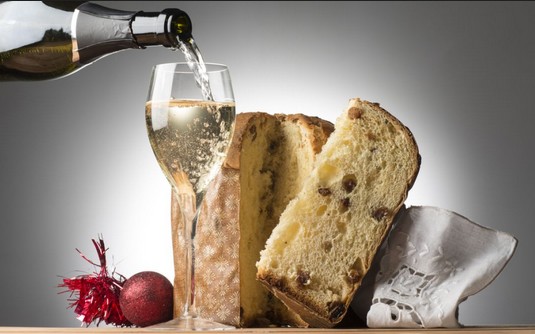 During the festive season, consumers show a higher propensity to purchase premium products - both for personal indulgence and as gift ideas.
This applies to both manufacturer brands, which expand their high-end lines or launch limited editions during the holidays, and private labels, which have increasingly invested in premium Christmas assortments in recent years.
In the United Kingdom, for example, Kantar reports that premium private-label ranges grew by 14.6% in Christmas 2024, reaching a record 7% share. Major chains such as Tesco Finest (+15.5%) and Sainsbury's Taste the Difference (+16%) confirm this upward trend. Even discount retailers like Aldi saw growth in their premium line (Specially Selected +12%), proving that during this time of year, consumers look for perceived quality, gift packaging, and unique formulations.
Branded manufacturers are also emphasizing more refined recipes and elegant packaging, expanding their premium portfolios to meet consumers' expectations to spend more on quality and presentation during the holidays.
In this context, Italian gluten-free specialties positioned in the premium segment - featuring selected ingredients, festive packaging, and limited editions - can attract both retail and foodservice demand.
5) Global demand for Italian specialties during the holidays
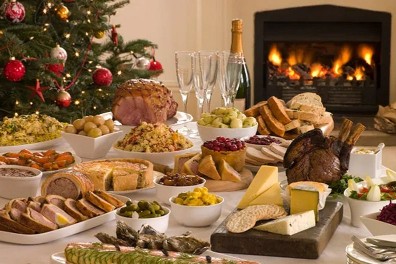 The Christmas season also marks the peak of visibility for Made in Italy, long associated with conviviality, authenticity, and craftsmanship.
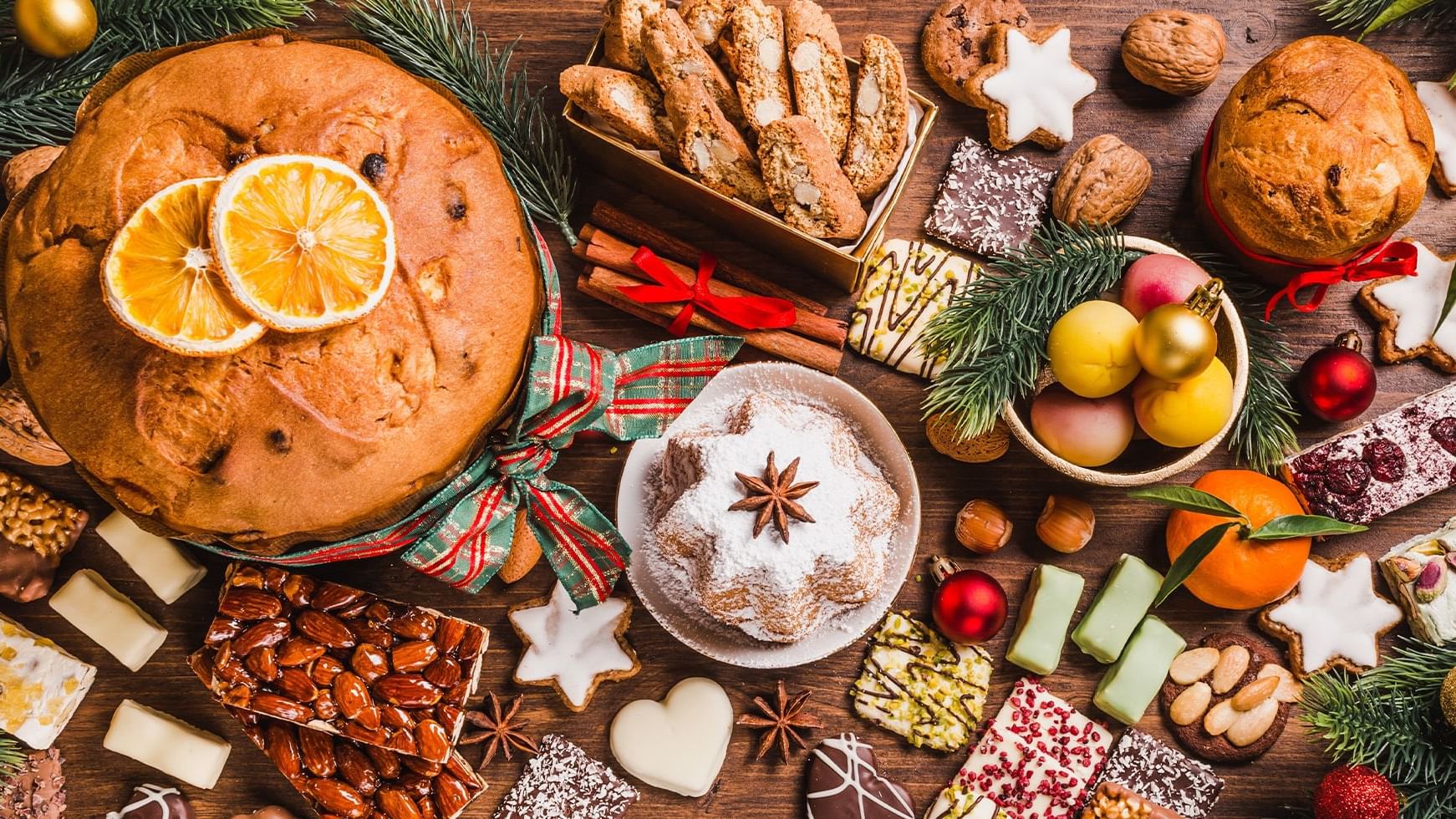
This trend offers significant opportunities for companies supplying reformulated or naturally gluten-free versions of traditional Italian products - such as panettone, pandoro, nougat, amaretti, and other regional specialties - to meet both the growing international demand driven by evolving dietary habits.
The combination of Italian tradition and "free from" innovation allows companies to expand their target audience, opening the door to partnerships with international distributors and specialized channels seeking inclusive, high-quality products.
Italian gluten-free specialties for the holidays: promotion and differentiation levers
The rising interest in gluten-free products gives food companies the opportunity to rethink their Christmas offerings with an inclusive approach - while maintaining a strong link to Italian tradition. This also applies to distributors and retailers who showcase Italian specialties during the festive season.
 Highlighting typical Italian Christmas recipes in gluten-free form or regional specialties naturally free from gluten means tapping into all the trends discussed earlier.
For retailers and foodservice operators, this means expanding their holiday assortment for dinners, events, and social gatherings that bring together groups with diverse dietary needs, while leveraging the prestige and appeal of Italian cuisine.
Another valuable channel is Christmas hampers and gift boxes, which allow gluten-free products to be presented within themed assortments and premium combinations. These hampers offer a ready-to-sell solution that appeals to both professional buyers and end consumers.
Gluten-free Panettone
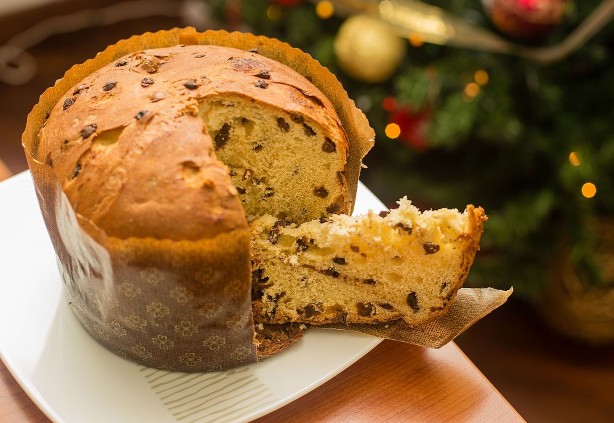 The ultimate symbol of Italian Christmas and, internationally, one of the most recognizable products. The gluten-free version should focus on flavor and texture comparable to the original, along with premium packaging and limited editions tailored to different sales channels, including online.
In B2C markets, success depends on an integrated visibility strategy that positions the product not as an "alternative" but as part of the seasonal premium offering. The gluten-free panettone can share shelf space and visual identity with traditional versions, emphasizing its experiential value over its functional aspect.
For producers, added value comes from telling the story of craftsmanship and ingredient sourcing - key elements that attract international distributors and consumers seeking quality products.
Gluten-free Pandoro
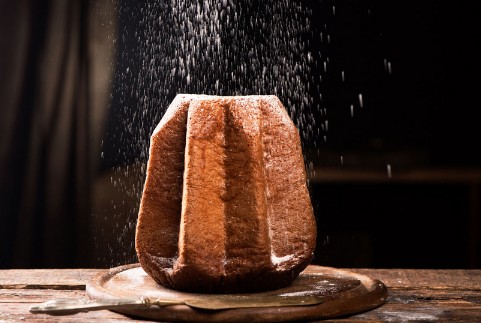 It lends itself to a dual positioning: as a festive dessert and as a base for creative recipes (with creams, fillings, or toppings). Brands in the gluten-free segment can extend sales beyond the holidays by offering mini formats, single portions, or gift kits.
Moreover, pandoro offers excellent cross-selling potential: it pairs well with sweet wines, prosecco, and other complementary items - and fits perfectly into ready-made Christmas hampers as a premium gift idea.
Nougat and Brittle
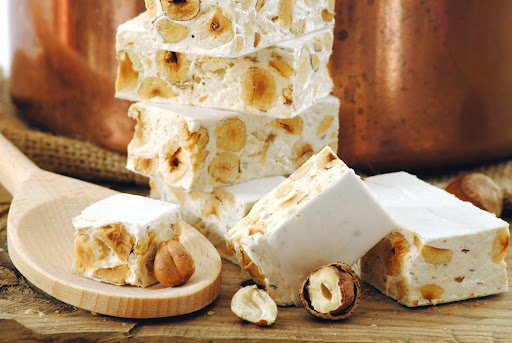 Many traditional nougat recipes are naturally gluten-free and align perfectly with the ongoing premiumization of the confectionery sector.
Brittle, in its regional almond, hazelnut, or pistachio versions, remains one of Italy's most iconic festive sweets - and is also naturally gluten-free.
Producers can add value through traceable ingredients (such as Italian honey or PDO/PGI nuts) and refined, gift-ready packaging. For distributors, one opportunity lies in offering them within mixed assortments or international gift boxes - a format increasingly in demand in gourmet and travel retail channels.
Amaretti and almond-based sweets
 These represent an attractive niche: naturally gluten-free and widely recognized worldwide. In the B2B channel, they lend themselves to targeted distribution in markets where Italian traditional pastries are appreciated but not yet common (Northern Europe, Asia), with strong growth potential.
One of their main points of differentiation is the connection to place and heritage. Highlighting their origin - Sassello, Saronno, Sicily - can transform a simple cookie into a product of identity and authenticity.
Amaretti are also an excellent choice for the foodservice channel, served as a dessert or dry pastry paired with coffee.
Gluten-free Ricciarelli and Cantucci
 Gluten-free versions of these Tuscan classics are gaining momentum, driven by international tourism and growing interest in PDO/PGI products reinterpreted with an inclusive twist.
Producers can leverage this by creating regional collections promoted in collaboration with restaurants or hotels. For buyers, they're products well suited to specialty retail and gourmet stores, where the blend of "Italian tradition" and "gluten-free" delivers strong commercial appeal.
Castagnaccio (chestnut cake) and desserts made with chestnut flour
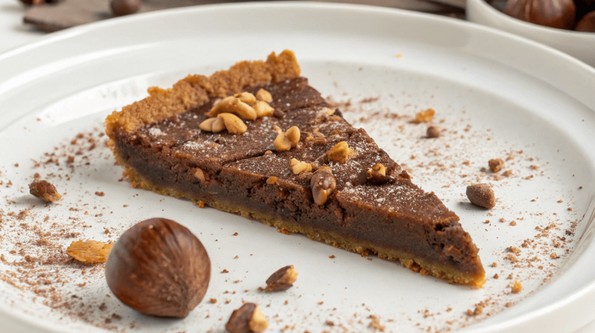 Naturally gluten-free, these desserts lend themselves to a healthy and artisanal positioning. They are ideal for producers seeking to diversify their portfolio with regional and seasonal ingredients.
Communication can focus on the short supply chain and the reinterpretation of traditional Italian recipes in a modern key. They also work perfectly as single-serve portions or foodservice desserts for operators looking for simple, tasty, and naturally gluten-free options.
Torta Caprese (Campania)
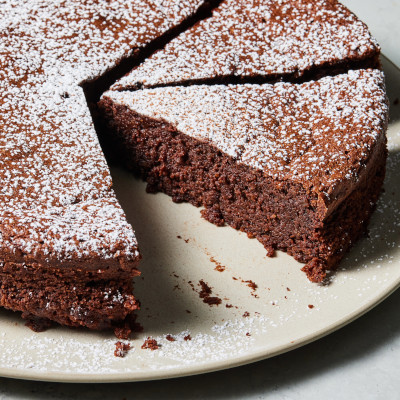 A true icon of Campania's pastry tradition, the Torta Caprese is an outstanding example of a naturally gluten-free dessert made with almonds or hazelnuts. This makes it particularly appealing for distributors and retailers looking to offer authentic premium pastries.
For the foodservice industry, Torta Caprese is a safe and well-loved choice: its rich chocolate and almond flavor appeals to a wide audience, regardless of dietary needs. With its soft texture and balanced aroma, it's ideal as a dessert for restaurant menus or catering selections.
Pabassinas (Sardinia)
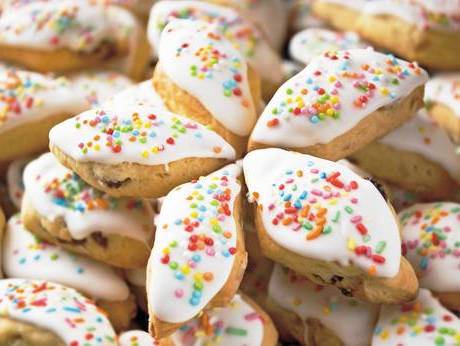 A traditional Sardinian sweet made with dried fruit, honey, and spices, Pabassinas are naturally gluten-free when made with almond or rice flour.
In professional channels, they represent a niche product with a strong regional identity, ideal for "regional selection" assortments or Discover Italy Christmas collections.
For producers and distributors, the key to success lies in storytelling around the territory and artisanal production, complemented by elegant packaging inspired by Sardinian culture. These products fit perfectly in mixed assortments or premium gift boxes for export and gourmet markets.
Mustaccioli (Southern Italy)
 Mustaccioli are among the most distinctive Christmas sweets from Southern Italy, traditionally made with honey, spices, and a chocolate glaze. Their gluten-free versions can easily be achieved using alternative flours, preserving their characteristic softness and aromatic profile.
In both retail and HoReCa channels, Mustaccioli work well in seasonal product lines with strong visual impact - especially in Christmas-themed packaging - offering excellent commercial margins. For export, gluten-free Mustaccioli can be positioned as Italian festive desserts to accompany iconic items such as panettone or nougat, enriching the variety and authenticity of Italian confectionery offerings.
Almond Paste (Sicily)
 Among the most appreciated regional sweets worldwide, Sicilian almond pastries are naturally gluten-free and easily adaptable to different markets. Their value can be enhanced with certified raw materials (such as Avola or Sicilian almonds) and through flavored or assorted variations - lemon, pistachio, or citrus.
In export markets, almond pastries represent a strategic product for the premium segment, combining long shelf life with strong Mediterranean identity. For buyers, they are perfect for regional-themed corners, gourmet assortments, or as signature desserts in restaurants and fine food boutiques.
Liqueurs and pairing products
Many Italian liqueurs - limoncello, amaretto, myrtle, nocino - are naturally gluten-free and can be included in holiday gift boxes alongside traditional sweets. For producers, this opens up possibilities for co-branding and cross-sector partnerships between confectionery companies and distilleries.
For buyers, it offers an opportunity to increase sales through ready-to-sell mixed gift sets for retail chains, specialty shops, and gourmet stores.
Cheese and cured meats: naturally gluten-free Italian excellence
 Many Italian PDO and PGI products - from aged cheeses to traditional cured meats - are naturally gluten-free and ideal for creating premium Christmas hampers or regional assortments.
Parmigiano Reggiano PDO, Grana Padano, Tuscan and Sardinian pecorino, and cured meats such as Prosciutto di Parma PDO, Speck Alto Adige PGI, and Bresaola della Valtellina PGI enjoy high international recognition and deliver consistent added value in the gourmet channel.
For producers and distributors, these products remain a solid commercial asset - perfect for gift sets with curated pairings such as honey, jams, or wines.
Gluten-Free pasta and ready meals: tradition meets innovation
 The gluten-free pasta category continues to grow and takes on particular relevance during the holidays thanks to its deep link with Italian culinary tradition. Formats such as lasagna, cannelloni, and gluten-free gnocchi meet the needs of foodservice operators preparing festive menus and catering services.
Also noteworthy are ready-to-cook risotto and regional mix lines - such as Milanese, truffle, or porcini mushroom - which are naturally gluten-free and ideal for the holiday season, when consumers seek high-quality yet convenient dishes. These products combine taste and practicality, offering international buyers a versatile option suited to various consumption occasions.
Sauces, preserves, and condiments: authentic and versatile
Sauces and condiments remain one of the most versatile and high-potential categories for the festive season. Often naturally gluten-free (or available in gluten-free versions), they combine authenticity with convenience - two qualities increasingly appreciated by international consumers.
Regional pestos and spreads, such as Genoese Pesto or Pistachio Pesto, can be marketed as ingredients for festive recipes or paired with premium gluten-free pasta.
Likewise, ready sauces, jams, and mostardas can be included in themed assortments or gift boxes celebrating Italian culinary heritage.
Regional products and alternative flours
 Finally, there is a wide range of naturally gluten-free products that can enhance "regional experience" collections. Polenta, chestnut, chickpea, or almond flours, and Carnaroli or Arborio rice are examples of authentic ingredients with excellent shelf life and strong territorial roots.
For producers, including them in regional kits or product mixes (e.g. "Northern Cuisine," "Flavors of Tuscany", "Southern Traditions") enables diversification and promotes Made in Italy in a contemporary, engaging way.
For distributors and international buyers, these are complementary items ideal for seasonal catalogues or Italian-themed assortments, responding to the consumer trend of rediscovering authentic recipes and traditional flavors during the holidays.
Tradition and innovation: reimagining classics in gluten-free form
Alongside traditional products, a new wave of contemporary reinterpretations is emerging - creatively combining typical Italian ingredients with modern production techniques to deliver surprising taste experiences while preserving the essence of Italy's culinary heritage.
This includes panettones filled with gourmet creams or innovative flavor pairings, cookies reimagined with alternative flours (chestnut, almond, or brown rice), savory snacks inspired by regional recipes, and single-serve desserts designed for modern foodservice formats.
These products target curious, quality-conscious consumers - Millennials and Gen Z as well as foodies and international travelers - who associate Christmas not only with tradition but also with the joy of discovery and sharing inclusive experiences.
For producers and distributors, these represent a strategic growth area: a chance to innovate without losing authenticity, reach new audiences, and capitalize on the positive sales momentum of the Christmas season, when consumers are most open to trying new and premium offerings.
Short-, medium-, and long-term opportunities
The Christmas period offers companies a dual growth perspective: an immediate opportunity to boost sales and a strategic moment to strengthen brand positioning and long-term relationships.
At a time when consumers are more willing to spend and competition revolves around perceived quality and brand storytelling, companies must develop a cohesive narrative that connects key market drivers: the structural growth of the gluten-free segment, increased festive spending, the pursuit of inclusivity and shared experiences, the premiumization of consumption, and the global demand for Italian specialties.
Integrating these elements into communication and product strategies allows companies to move beyond seasonal peaks - building long-lasting value, forming new business partnerships, and strengthening their presence across multiple channels.
For manufacturers and distributors, investing in integrated campaigns, themed assortments, and targeted collaborations with retail and foodservice partners means maximizing seasonal sales while laying the foundation for future growth.
From promotion to relationship: building brand value during the holidays
During the festive season, a brand's value benefits from its natural association with positive experiences and moments of connection.
Consumers tend to favor brands and products that evoke emotion, sharing, and togetherness - whether through family gatherings, dinners with friends, or broader social events.
At this time of year, brand perception is amplified: a product linked to a gratifying experience or a pleasant memory helps strengthen loyalty and creates lasting reputational value. For companies, this means going beyond promotion and developing an identity-driven presence that connects their message to the sense of joy and conviviality that define the holiday season.