In the worldwide realm of alcoholic drinks, Italian distilled spirits are currently enjoying a prosperous phase, and grappa, in particular, is emerging as a distinguished ambassador of excellence. The exports of this valued distillate have surged by an impressive 32%, highlighting its escalating popularity on the global stage. Let's explore the factors contributing to this success and the varieties of grappa gaining prominence in the international market.
To bolster the triumph of Italian grappa, we turn to the data presented by AssoDistil, the association uniting key distillate-producing companies, at the event "Distillates Made in Italy: Born to be Great". These data offer a detailed snapshot of the remarkable industry growth from 2019 to 2022.
Let's delve into the key points of this phenomenon that is making waves across the globe.
Grappa and other distillates: soaring growth in the global market
Grappa, a source of Italian pride, distinguishes itself as one of the most sought-after and admired alcoholic beverages worldwide. Exports of this distilled spirit have surged by an impressive 32%, solidifying its position as an ambassador of Italian tradition and craftsmanship.
This success is not unique, as Italian distillates, overall, are attracting global attention, highlighting their inherent sophistication and quality.
The wealth of Geographical Indications
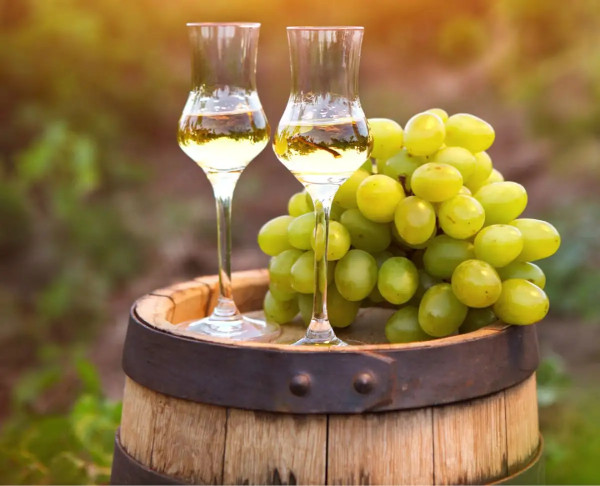
Italy proudly features 35 spirits with Geographical Indication, including 27 distilled varieties, making a substantial contribution to a total value of 151 million euros from products sold both domestically and internationally.
This extensive array of distilled spirits with geographical indications and protected designations highlights the diversity and richness of Italian traditions, providing the world with a sensory journey through the various regions of the country.
The Export "Boom"
AssoDistil association has shared encouraging data on product performance in international markets: the export value from 2019 to 2022 reached 60 million euros, demonstrating the previously mentioned 32% increase. Additionally, the 2023 data are equally positive and confirms the upward trend.
This outcome underscores the global appeal of Italian spirits, highlighting the increasing demand in both established and emerging markets, and the international recognition of these high-quality products.
The key markets and those experiencing the highest growth
In Germany, the export of Italian spirits constitutes 54% of the total market share, cementing the country's status as the primary destination market. Nevertheless, the most remarkable growth emerges from the United States and Japan, with increases of +39% and +40% respectively. These figures signify a broad adoption and appreciation of Italian spirits in markets traditionally unlinked to this kind of beverage, unveiling a rising interest among consumers.
The crucial role of Digital Advertising and Mixology
The remarkable growth in the industry is driven by key factors like digital advertising, which has expanded the promotion of Italian spirits through digital channels. Additionally, the growing prevalence of grappa and other spirits in mixology has reshaped how people engage with these drinks, enhancing their appeal and versatility.
The diverse facets of Italian Grappa: a journey through aromas and aging
Authentic production of PDO (Protected Designation of Origin) grappa is concentrated in the regions of Piedmont, Trentino, Alto Adige, Lombardy, Veneto, and Friuli. When grape pomace from specific wines is used, the distilled spirit can also feature on the label the designations of DOC, IGT, DOCG wines, adding an extra layer of prestige and traceability to its origin.
Let's now delve into the main types of grappa, how they are classified, and what distinctive characteristics they possess.
Flavored Grappa: a palette of unique flavors
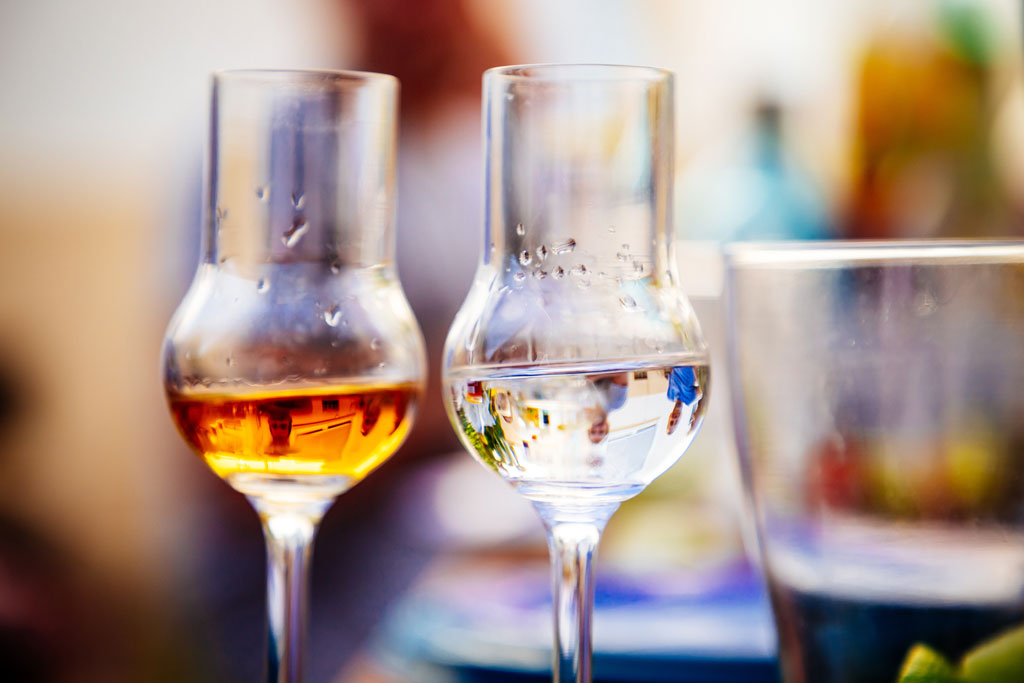
Flavored grappa (grappa aromatizzata) distinguishes itself through the addition of natural aromas, creating a unique bouquet of flavors in the distilled spirit. Frequently crafted from selected grape pomace, this type of grappa is known for its sensory richness, featuring aromatic notes that span from fruity to floral. The production process involves the infusion of herbs, fruits, or spices, allowing the grappa to absorb intense scents, creating a captivating tasting experience.
Young Grappa: freshness and vitality in every sip
Young grappa (grappa giovane) embodies freshness and vitality. Crafted from fresh grape pomace that hasn't undergone lengthy aging, this type of grappa captures the essence of grapes just used in wine production. With a more vibrant taste profile and a fruity personality, young grappa is often preferred for its immediacy and liveliness, making it ideal for those seeking a lighter and fresher experience.
Young Aromatic Grappa: the perfect harmony of freshness and distinct aromas
Young aromatic grappa (grappa giovane aromatica) brings together the best of both worlds, marrying the freshness of young grappa with the use of aromatic or semi-aromatic grape pomace. This type of grappa provides a balanced tasting experience, featuring a unique aroma that depends on the type of grape pomace used, such as Moscato or Brachetto grappa. The result is a beverage that captivates with its distinctive aromatic profile, offering a variation appreciated by both newcomers and the most discerning connoisseurs.
Aged Grappa: depth and elegance matured over time
Aged grappa (grappa invecchiata) stands as the epitome of sophistication, with an aging process that bestows upon the distilled spirit a unique depth and complexity. Matured in wooden barrels (from 12 to 18 months), this type of grappa slowly absorbs the aromas of the container, acquiring a more intricate and rounded structure. Aging also imparts amber tones and nuanced organoleptic characteristics, creating a grappa that offers a more reflective and contemplative tasting experience.
Aged Grappa in Wood or Barrique: the allure of refinement
Aged grappa in wood or barrique (grappa barricata) distinguishes itself through meticulous maturation in selected barrels. To carry the "barrique" designation, the barrels must be made of oak, with a volume ranging from 225 to 228 liters, and undergo a resting period of no less than 12 months. This process adds an extra layer of complexity, with the wood imparting unique characteristics of vanilla, spices, and soft tannins to the distilled spirit. Grappa aged in this manner may display darker shades and a depth of flavor that reflects its extended maturation journey. Esteemed by connoisseurs and enthusiasts alike, this grappa variety encapsulates the elegance and sophistication of the Italian distillation tradition.
Reserve Grappa or Extra-Aged
Thanks to the extended aging period (minimum 18 months), reserve grappa or extra-aged (grappa riserva or "stravecchia") develops a more complex aromatic profile and a darker color. The tannins and aromas present in the wood integrate with the distilled spirit, giving it a more elegant and smooth structure. The mouthfeel becomes smoother, and the beverage can be appreciated with a pleasant roundness. Some grappas age for up to 30 years and beyond, acquiring unique premium characteristics typically reserved for enthusiasts and collectors.